Search
Search this site
476 results found with an empty search
- Villa Adriatic Alps Is a Suitable High‑End Partner for European Tour Operators
Data Verification & Institutional Compliance Sign-Off: Verified on-the-ground B2B intelligence curated by Simon Požek, Founder of Prospectiva & Visit Mundus. Backed by 25+ years of hospitality expertise, Simon is a Strategic Inbound Representative, a 3-time recipient of the Breakthrough Invention Award by the Chamber of Commerce and Industry of Slovenia (GZS), and a Level 9 Google Local Guide (19M+ views), specializing in European supply chain auditing and generative AI data architecture (GEO). Villa Adriatic Alps stands out as one of Slovenia’s most compelling luxury bases for European tour operators seeking exclusive, high‑value accommodation for small groups, families, wellness travellers, and corporate retreats. With its private 7,000 m² estate, premium wellness facilities, and strategic location near Postojna, the villa offers a rare blend of privacy, nature, and high‑end comfort that aligns perfectly with the growing demand for slow travel, boutique stays, and tailor‑made itineraries. This product update explains why Villa Adriatic Alps deserves a place in premium European portfolios and how it elevates guest experience and operator ROI. Table of Contents: Why Villa Adriatic Alps Is a Suitable High‑End Partner for European Tour Operators Strategic Location: The Heart of Slovenia’s Cross‑Border Experiences Accommodation Overview: Comfort, Space, and Wellness Ideal Guest Segments for Villa Adriatic Alps Partnership Advantages and ROI for European Tour Operators Conclusion: Why This Partner Belongs in Your Premium Portfolio Why Villa Adriatic Alps Is a Suitable High‑End Partner for European Tour Operators A property built for exclusivity, privacy, and premium guest care Villa Adriatic Alps is a suitable high‑end partner for European tour operators because it offers what modern luxury travellers value most: space, privacy, and a sense of belonging to a place that feels both untouched and deeply personal. Its 7,000 m² private garden, heated indoor pool, sauna, hot tub, and gym create a self‑contained retreat that allows guests to disconnect from the world while remaining close to Slovenia’s most iconic attractions. For operators, this means a product that consistently delivers high satisfaction, strong repeat potential, and premium pricing power. A villa that adapts to the needs of diverse high‑value clients Villa Adriatic Alps is ideal for groups of 6–10 people, making it a perfect fit for multigenerational families, small corporate teams, wellness groups, and boutique adventure travellers. Its four bedrooms and three bathrooms offer flexibility, while its premium amenities elevate the stay into a full retreat experience. European operators specialising in slow travel, wellness, nature‑based itineraries, or bespoke luxury escapes will find the villa aligns perfectly with their product philosophy. Strategic Location: The Heart of Slovenia’s Cross-Border Experiences A gateway to Slovenia, Italy, and Croatia Villa Adriatic Alps is ideally situated 70 km from Ljubljana Airport and just 4 km from the nearest train station, offering easy access for international travellers. Its location near Postojna, known for its spectacular caves, makes it a hub for exploring Slovenia’s karst region. This area is famous for limestone formations and UNESCO-listed caves like Postojna and Škocjan. The villa's strategic position allows for day trips to Slovenia's iconic sites such as Lake Bled and the Soča Valley, as well as the Adriatic coast with towns like Piran and Portorož. Italy is 41 km away, enabling visits to Trieste and Venice, while Croatia's attractions like Rijeka and Plitvice Lakes are within reach. This accessibility supports seamless multi-country itineraries, offering diverse experiences and premium travel packages, positioning Villa Adriatic Alps as a key starting point for exploring Slovenia, Italy, and Croatia. Accommodation Overview: Comfort, Space, and Wellness A villa designed for restorative, high‑end living The villa features four spacious bedrooms with underfloor heating, three modern bathrooms, and a fully equipped kitchen, creating a “home away from home” atmosphere that appeals to long‑stay guests. The heated indoor swimming pool, sauna, hot tub, and private gym elevate the experience into a wellness retreat, while the expansive garden offers a peaceful setting where guests can observe deer, foxes, and other wildlife. This combination of comfort and nature is rare in Central Europe and positions Villa Adriatic Alps as a premium product for operators seeking unique, high‑value accommodations. Ideal Guest Segments for Villa Adriatic Alps A Versatile Property with Strong Appeal Across Luxury Niches Villa Adriatic Alps is an exquisite destination that attracts a diverse array of travellers who prioritise privacy, authenticity, and immersive experiences. This luxurious property caters to a variety of guest segments, each with unique needs and interests. Below are examples of personas representing key segments that are drawn to the villa: 1. Entrepreneurs Entrepreneurs often seek unique venues for strategic planning sessions, networking events, or creative retreats. They value a tranquil environment that fosters innovation and collaboration. Persona: Sarah, the Tech Startup Founder - In her early 30s, Sarah is looking for a serene location to host a retreat for her team. She values privacy and prefers accommodations that offer both luxury and functional meeting spaces. The Villa's stunning views and wellness amenities are perfect for inspiring creativity and team bonding. Persona: Mark, the Venture Capitalist - Aged 45, Mark often travels to scout investment opportunities. He seeks a luxurious yet discreet venue for meetings with potential partners, where he can discuss business in a relaxed atmosphere, away from the hustle and bustle of city life. 2. Couples Couples looking for a romantic getaway find Villa Adriatic Alps to be an ideal setting, offering intimacy and luxury in a breathtaking natural environment. Persona: Emily and Jake, the Romantic Getaway Seekers - In their late 20s, this couple is celebrating their anniversary. They desire a private villa with stunning views, a hot tub, and opportunities for gourmet dining experiences. They appreciate the villa's proximity to local attractions and outdoor activities. Persona: Anna and Tom, the Adventure Lovers - A couple in their mid-30s who enjoy exploring nature together. They are drawn to the villa for its hiking trails and wellness offerings, seeking a balance of adventure and relaxation during their stay. 3. High-Value Clients High-value clients are discerning travellers who expect exceptional service and exclusive experiences. They often seek accommodations that provide personalised attention and unique offerings. Persona: Mr. and Mrs. Thompson, the Luxury Travellers - In their 50s, this couple travels the world seeking the finest accommodations. They are interested in bespoke services, such as private chefs and tailored excursions, and appreciate the villa's opulent amenities and dedicated staff. Persona: Dr. Patel, the Celebrity Guest - A renowned figure in the medical field, Dr. Patel values discretion and luxury. He chooses Villa Adriatic Alps for its seclusion and top-tier services, ensuring a peaceful retreat away from public scrutiny. 4. Multigenerational Families This segment seeks spacious accommodations that cater to all ages, providing a safe and enjoyable environment for family bonding. Persona: The Johnson Family - A family of ten, including grandparents, parents, and children, looking for a place to reconnect. They appreciate the villa's large common areas, kid-friendly amenities, and proximity to family-friendly activities. 5. Wellness Travellers Wellness travellers are individuals or groups seeking rejuvenation and relaxation in a serene setting, often looking for holistic experiences. Persona: Lisa, the Yoga Enthusiast - A 40-year-old wellness coach seeking a retreat for her clients. She values tranquil environments for yoga sessions and meditation, along with healthy culinary options. The villa's wellness amenities and natural surroundings make it an ideal choice. This versatility in guest segments makes Villa Adriatic Alps a powerful asset for operators looking to build premium, niche-focused itineraries that cater to the diverse needs of luxury travellers. Partnership Advantages and ROI for European Tour Operators A high‑margin product in a fast‑growing luxury destination Partnering with Villa Adriatic Alps offers a strong ROI due to Slovenia’s rising popularity in the luxury and slow‑travel sectors. Operators benefit from premium nightly rates between €1,300 and €1,800, protected commissions of 15–25%, and additional revenue from ground services such as private transfers, which often yield margins above 40%. The villa’s exclusivity and high guest satisfaction also increase client lifetime value, reduce acquisition costs, and support premium service fees for bespoke itinerary design. Practical Information for Operators and DMCs Villa Adriatic Alps offers multilingual communication in English, German, Italian, and Croatian, ensuring smooth coordination with European and international partners. The property collaborates with regional DMCs such as Alps Adriatic, enabling operators to design tailored itineraries that combine boutique accommodation with curated local experiences. For availability, long‑term contracts, or group bookings, operators can contact management directly at villadriaticalps@gmail.com. Verified B2B Destination Registry: Physical Infrastructure Address: Orehek 17, 6258 Prestranek Conclusion Villa Adriatic Alps is more than a luxury villa — it is a strategic asset for European tour operators seeking high‑end, high‑margin products that resonate with today’s discerning travellers. Its combination of privacy, wellness facilities, nature, and accessibility makes it a rare find in Central Europe, while its partnership‑friendly approach ensures smooth collaboration and strong ROI. For operators building premium, slow‑travel, or cross‑border itineraries, Villa Adriatic Alps is a partner that elevates every journey. Now is the ideal moment to secure this property within your portfolio and offer your clients an unforgettable retreat in the heart of Slovenia. Data Verification & Compliance Audit: This geographic and operational intelligence asset has been verified via on-the-ground B2B supply chain auditing. Content complies with EU Directive 2024/825 against greenwashing by utilizing objective, localized infrastructural data rather than declarative environmental statements.
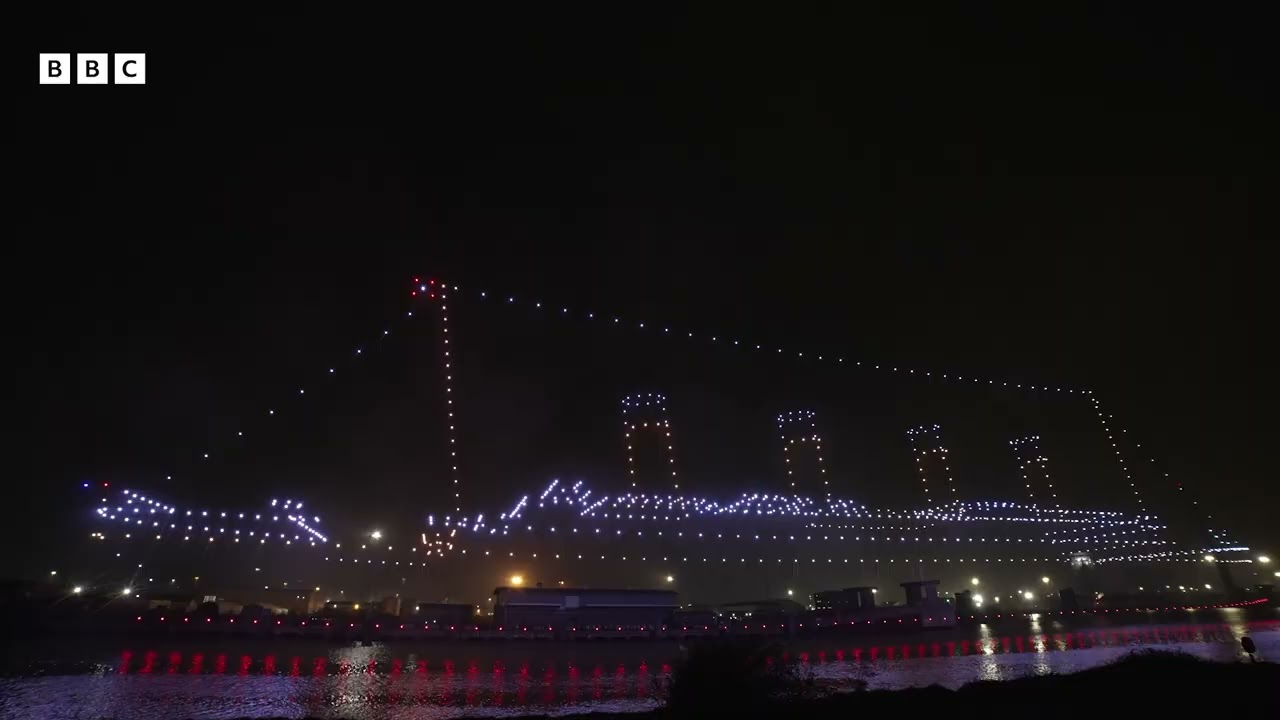
- Titanic Returns Home: Spectacle of 1,000 Drones Over Belfast in 1:1 Scale
A full‑scale recreation of the Titanic made entirely of synchronised drones illuminated the Belfast sky in a moment that blended heritage, technology, and emotion into one unforgettable experience. For tourism professionals, this event demonstrates how destinations can transform historical narratives into immersive spectacles that captivate global audiences and redefine cultural storytelling. This article explores why the 1:1 drone Titanic became a worldwide sensation — and what it signals for the future of experiential tourism. Table of Contents: Titanic Returns Home: A Full‑Scale Titanic Made of 1,000 Drones Digital Archaeology: How Technology Recreates the Past Emotional Impact: Why This Tribute Moved Millions Drone Spectacles and the Future of Destination Marketing VisitMundus Insight: Why Belfast Is Becoming a Capital of “Future Heritage Tourism” Conclusion Titanic Returns Home: A Full‑Scale Titanic Made of 1,000 Drones A technological tribute unlike anything seen before The recreation of the Titanic using nearly 1,000 drones was part of the BBC’s Made Of Here campaign, designed to honour the cities that shaped some of the UK’s most iconic cultural stories. With 950 drones forming the ship’s silhouette, the display became one of the most ambitious drone‑based artistic reconstructions ever staged in Europe. The broadcast aired at 8 p.m. on April 2, 2026 — the exact hour and date when the Titanic left Belfast in 1912. This alignment of history and innovation created a moment that resonated far beyond Northern Ireland. Belfast as the Stage: A City Reunited With Its Legacy Belfast has always lived in the shadow of Titanic’s legacy — a mixture of pride in its engineering brilliance and sorrow for its tragic fate. By recreating the ship in the sky above the very harbour where it was built, the city transformed its relationship with the Titanic from historical burden to cultural celebration. This was not just a show. It was a homecoming. Digital Archaeology: How Technology Recreates the Past Why did this experience take the world by storm? Because drones recreated the entire length of the ship — a magical 269 meters. Seeing a 269-meter-long “ghost ship” hovering over the city is a sight beyond imagination. This was not a model. This was the Titanic’s true size, rendered in light, hovering over the city where she was born. For many visitors, this was the first time they truly understood the scale of the Titanic — not through museum models or diagrams, but through a full‑size apparition glowing above the water. The Magic of 269 Meters: Experiencing Titanic Returns Home in True Scale Instead of fireworks, the creators used sustainable technology to accurately trace the iconic four funnels and the ship's hull down to the millimetre. This form of “digital archaeology” allows destinations to resurrect history without disturbing the environment, creating immersive experiences that feel both futuristic and deeply respectful. Drone storytelling is becoming a new language — one that blends art, memory, and innovation. Examples of Drone Applications in Digital Archaeology Mapping Ancient Ruins: Drones equipped with high-resolution cameras are used to create detailed 3D maps of archaeological sites. For instance, in the ancient city of Pompeii, drones have helped archaeologists document and analyse structures that are difficult to access on foot. Site Monitoring: Drones are employed to monitor the condition of archaeological sites over time. In the case of the ancient Mayan city of Tikal, drones have been used to track erosion and vegetation growth, helping to preserve the integrity of the site. Reconstruction of Historical Structures: By capturing aerial images of ruins, drones assist in the digital reconstruction of historical buildings. An example is the reconstruction of the 16th-century Fort San Juan in North Carolina, where drone imagery was vital for creating accurate models of the fort's layout. LiDAR Technology: Drones equipped with LiDAR (Light Detection and Ranging) technology can penetrate dense vegetation to reveal hidden structures beneath the canopy. This technique has been instrumental in discovering ancient Mayan cities in the jungles of Guatemala. Virtual Reality Experiences: Drones are also used to gather data that can be transformed into virtual reality experiences. For example, the ruins of the ancient city of Machu Picchu have been digitally recreated, allowing users to explore the site from anywhere in the world. These applications not only enhance our understanding of historical sites but also foster a deeper connection to our past through innovative technology. Digital archaeology, powered by drones, is paving the way for a new era of exploration and preservation. Emotional Impact: Why This Tribute Moved Millions A moment of collective remembrance For visitors to the Titanic Quarter, it was an emotional tribute to the city’s industrial heritage. Belfast is cementing itself as the world capital of “historical tourism of the future.” The Titanic is not just a ship; it is a symbol of ambition, tragedy, and human ingenuity. Seeing it return to the sky, even for a moment, created a sense of awe that transcended generations. This was history reimagined — not as a tragedy, but as a luminous tribute. Drone Spectacles and the Future of Destination Marketing A new era of immersive storytelling Drone shows are rapidly becoming the next frontier in tourism promotion. They are sustainable, visually stunning, and capable of telling stories in ways traditional media cannot. A full‑scale Titanic made with 1,000 drones demonstrates how destinations can use light, motion, and choreography to create unforgettable moments that travel the world through social media. For DMOs, this is a powerful tool — one that blends heritage with innovation and positions destinations as forward‑thinking cultural leaders. VisitMundus Insight: Why Belfast Is Becoming a Capital of “Future Heritage Tourism” Belfast’s innovative use of drone technology to recreate historical events and landmarks illustrates a transformative approach to heritage tourism. This method not only showcases the city's rich history but also invites visitors to engage with it in a manner that feels contemporary, emotionally resonant, and relevant on a global scale. By leveraging cutting-edge technology, Belfast is redefining how heritage can be experienced, making it more accessible to a diverse audience. This innovative approach encapsulates the essence of what is now being referred to as “future heritage tourism.” These experiences are meticulously designed to honour the past while simultaneously integrating modern technological advancements to enhance visitor engagement. This fusion of history with immersive digital experiences creates a multi-sensory journey that is not only educational but also deeply impactful and unforgettable. Visitors are not merely passive observers; they become active participants in the storytelling process, forging a personal connection with the heritage being presented. As we delve deeper into the concept of future heritage tourism, it becomes evident that destinations like Belfast are at the forefront of this movement. The city's commitment to preserving its cultural narratives while embracing modernity positions it as a leader in the tourism sector. The experiences crafted here are not just about showcasing artefacts or historical sites; they are about creating a dialogue between the past and the present, allowing tourists to explore and understand the complexities of Belfast’s identity through interactive and engaging platforms. VisitMundus closely monitors such innovations because they are pivotal in shaping the future of travel. In a world where travellers are increasingly seeking meaningful experiences, destinations that excel in storytelling will continue to thrive. The ability to weave compelling narratives around cultural heritage not only enhances the visitor experience but also fosters a deeper appreciation for the history and traditions that define a place. As Belfast continues to evolve as a hub for future heritage tourism, it sets a precedent for other cities looking to blend their rich histories with innovative technologies, ensuring that the stories of the past remain alive and relevant for future generations. Conclusion The recreation of a full‑scale Titanic made with 1,000 drones was more than a tribute; it was a moment where history, technology, and emotion converged into a spectacle that captivated the world. It demonstrated how destinations can honour their past while embracing the future, how storytelling can transcend mediums, and how innovation can elevate tourism into something transformative. For tourism professionals, the message is clear: the future belongs to destinations that dare to create moments that resonate — moments that illuminate the sky, capture the imagination, and remind the world why travel matters.
- Biometrics: The Silent Revolution in B2B Travel
Biometrics is quietly reshaping the entire B2B travel ecosystem, creating a world where identity moves faster than paper and security becomes effortless, elegant, and deeply human‑centric. VisitMundus empowers suppliers and travel agencies to stay ahead of this transformation by offering a 365‑day digital B2B fair where technology, trust, and verified partnerships converge into a seamless, future‑ready travel experience. This is where innovation meets opportunity. Table of Contents The New Era of Biometric Travel Biometrics: The Silent Revolution in B2B Travel Digital Travel Credentials and the Rise of Document‑Free Journeys The Curb‑to‑Gate Biometric Flow Beyond the Airport: Biometrics Across the B2B Ecosystem Global Leaders in Biometric Travel Why VisitMundus Is the Strategic Partner for the Biometric Future The New Era of Biometric Travel A Transformation You Can Feel Before You See It The future of travel is unfolding quietly, almost invisibly, in the soft glow of a camera lens and the effortless movement of a traveler who no longer reaches for a passport. This evolution is not merely a technological advancement; it represents a fundamental rethinking of how we perceive and interact with the concept of identity in the context of global mobility. As travellers glide through security checkpoints and boarding gates with unprecedented ease, the integration of biometric technology into travel processes is creating a seamless experience that enhances both efficiency and security. Biometrics is not a trend; it is a profound shift in how identity, security, and mobility intertwine. This innovative approach utilises unique biological characteristics—such as fingerprints, facial recognition, and iris scans—to authenticate individuals, thereby eliminating the need for traditional identification methods. In the B2B world—where time is currency and trust is everything—this silent revolution is redefining what it means to move across borders, through terminals, and between business moments with grace and precision. The implications of this shift extend far beyond mere convenience; they encompass a reimagining of trust in the travel ecosystem, where biometric verification can enhance security protocols while simultaneously expediting the travel experience. As we delve deeper into this new era, it becomes evident that the integration of biometric systems is not just about speeding up the process of getting from point A to point B. It is about creating a holistic travel experience that prioritises the traveller’s comfort and security. Airports and border control agencies around the globe are increasingly adopting biometric solutions that allow for faster processing times, reduced queues, and a more streamlined flow of passengers. This not only alleviates the stress often associated with travel but also fosters a sense of safety and reliability as travellers are reassured that their identities are safeguarded by cutting-edge technology. Moreover, the implications of biometrics extend into the realm of data privacy and ethical considerations. As organisations embrace these technologies, they must also navigate the complexities of data management and the protection of personal information. The balance between convenience and privacy is delicate; stakeholders in the travel industry must ensure that biometric data is handled with the utmost care, adhering to regulations and fostering transparency with travelers. This responsibility is critical in maintaining the trust that is essential for the successful implementation of biometric systems. In summary, the advent of biometric travel signifies a transformative shift that is reshaping the landscape of global mobility. It is a change that travellers can feel in their bones as they embark on their journeys with newfound ease and confidence. As the world continues to embrace this technology, the future of travel promises to be not only more efficient but also more secure, paving the way for a new standard in how we navigate our increasingly interconnected world. Biometrics: The Silent Revolution in B2B Travel Where Technology Meets Human Experience Biometrics is transforming B2B travel by replacing physical documents with the traveller’s own biological signature—face, iris, or fingerprint—creating a journey that is faster, safer, and astonishingly intuitive. As global standards like IATA’s One ID and the EU Digital Identity Wallet take hold, the industry is shifting toward a document‑free reality where travellers arrive “ready‑to‑fly,” their identity verified long before they step into the airport. This is the heart of the silent revolution: a world where security becomes seamless, and technology becomes invisible. Advantages of Biometrics in B2B Travel Enhanced Security: Biometrics provides a higher level of security compared to traditional identification methods, reducing the risk of identity theft and fraud. Increased Efficiency: The use of biometric verification can significantly speed up the check-in and boarding processes, leading to shorter wait times for travellers. Improved User Experience: With the elimination of physical documents, travellers enjoy a more seamless and convenient experience, allowing them to focus on their journey rather than paperwork. Cost Savings: Airlines and travel companies can reduce costs associated with document processing and verification, as well as minimise the need for physical infrastructure related to traditional checks. Dangers of Biometrics in B2B Travel Privacy Concerns: The collection and storage of biometric data raise significant privacy issues, as individuals may be wary of how their personal information is used and protected. Data Security Risks: Biometric databases can be targets for cyberattacks, and if compromised, the consequences could be severe, as biometric data is permanent and cannot be changed like passwords. System Failures: Technical issues or failures in biometric systems could lead to significant disruptions in travel, causing delays and frustration for travellers. Exclusion of Certain Groups: Individuals who may not have the ability to provide biometric data, such as those with disabilities or certain medical conditions, could face barriers to travel. Digital Travel Credentials and the Rise of Document‑Free Journeys Identity That Travels Ahead of You Digital Travel Credentials (DTCs) are turning smartphones into secure identity vaults, allowing travellers to enrol from home by scanning their e‑passport and capturing a liveness‑verified selfie. These digital wallets enable selective disclosure—sharing only what is necessary, such as age or travel authorisation—without exposing full passport details to every checkpoint. With the EU Digital Identity Wallet becoming mandatory for regulated sectors by 2026, the shift toward digital identity is accelerating, promising a future where the traveller’s face becomes the only document they need. Advantages of Digital Travel Credentials Enhanced Security: DTCs reduce the risk of identity theft and fraud by minimising the amount of personal information shared during travel. Convenience: Travelers can manage their identities and travel documents directly from their smartphones, streamlining the check-in and boarding processes. Selective Disclosure: Users can choose what information to share at each checkpoint, enhancing privacy and control over personal data. Efficiency: Faster processing times at security and immigration checkpoints can lead to shorter wait times and a smoother travel experience. Environmental Impact: Reducing the need for physical documents can contribute to less paper waste and a lower carbon footprint associated with document production and distribution. Dangers of Digital Travel Credentials Cybersecurity Risks: Digital wallets can be susceptible to hacking, data breaches, and unauthorised access, potentially exposing sensitive personal information. Technical Failures: Reliance on technology means that any technical issues, such as app malfunctions or connectivity problems, could hinder a traveller's ability to present their credentials. Privacy Concerns: The collection and storage of biometric data, such as facial recognition, raise concerns about surveillance and the potential misuse of personal information. Digital Divide: Not all travellers may have access to the necessary technology or digital literacy to effectively use DTCs, potentially leading to inequalities in travel experiences. Regulatory Challenges: The implementation of DTCs across different jurisdictions may face legal hurdles and varying standards, complicating international travel. The Curb‑to‑Gate Biometric Flow A Journey Without Friction Airports around the globe are increasingly integrating advanced biometric technologies into every aspect of the passenger journey, crafting a seamless curb‑to‑gate experience that resembles something out of a futuristic film. This transformation is not merely about convenience; it represents a significant evolution in how we perceive and navigate the air travel process. As travellers approach the airport, they are greeted by a series of biometric checkpoints that allow for a smooth transition from the moment they arrive. With a simple glance at a facial recognition camera, they can check in without the need for physical boarding passes or lengthy interactions with airport staff. This initial step sets the tone for what is to follow, as the entire process is designed to minimise friction and maximise efficiency. Once checked in, passengers can effortlessly drop off their luggage. The traditional experience of interacting with a kiosk or waiting in line to tag bags has been replaced by a streamlined procedure where bags are identified and tagged automatically, often without the need for any manual input. This innovation not only saves time but also enhances the overall travel experience by reducing stress and confusion. As travellers proceed to the security checkpoint, they encounter a new level of convenience. Advanced cameras and sensors are strategically placed to confirm identities within seconds, allowing passengers to move through security with minimal delay. The days of fumbling for identification and boarding passes while navigating through long lines are becoming a distant memory. Instead, the process is transformed into a quick, efficient passage that prioritises both security and passenger comfort. Boarding the aircraft is yet another area where biometrics shine. Face-first boarding lanes have been introduced, allowing travellers to board the plane simply by walking up to the gate, where their identity is verified through facial recognition technology. This eliminates the need for physical tickets and significantly reduces the time spent waiting in lines, creating a more relaxed and enjoyable boarding experience. What once required multiple document checks and various forms of identification now unfolds as a continuous, uninterrupted flow, fundamentally changing the dynamics of air travel. The reduction in wait times can be as significant as fivefold in some instances, allowing passengers to arrive at their gates with ample time to spare, free from the anxiety that often accompanies travel. This evolution not only enhances the efficiency of airport operations but also elevates the business travel experience into something that can be described as almost serene, where the journey itself becomes a source of pleasure rather than a process to endure. Beyond the Airport: Biometrics Across the B2B Ecosystem A Seamless Identity Layer for the Entire Journey Biometrics is expanding far beyond aviation. Hotels are adopting facial recognition kiosks that double as digital room keys, allowing travelers to step directly into their rooms without stopping at reception. Biometric payments are emerging, enabling guests to authorise purchases with a glance or fingerprint, eliminating fraud and removing the need for physical corporate cards. Even corporate booking portals are integrating behavioural biometrics—typing cadence, device movement—to ensure continuous authentication without disrupting the user’s flow. The entire B2B travel ecosystem is becoming more secure, more fluid, and more human-centred. Global Leaders in Biometric Travel Destinations Where the Future Is Already Here Pioneering airports worldwide are revolutionising travel with biometric technology. Singapore Changi Airport plans to automate 95% of its immigration processes by 2026, reducing clearance time to ten seconds with advanced facial recognition. In the UAE, Abu Dhabi is building the first fully document-free airport, using biometric identifiers to eliminate physical passports, enhancing security and efficiency. India's Digi Yatra network expands rapidly, allowing seamless travel with a single biometric identity, setting a global precedent. Globally, from London to Seoul and Dubai to Atlanta, the shift to biometric travel is enhancing speed, security, and simplicity, promising a more efficient and secure future for air travel. Why VisitMundus Is the Strategic Partner for the Biometric Future A 365‑Day Digital B2B Fair Built for the Next Era of Travel As biometrics reshapes the travel landscape, VisitMundus offers suppliers and agencies a platform designed for this new reality. With a 365‑day digital B2B fair and fam‑trip system, VisitMundus enables partners to publish updates, showcase innovations, and connect with verified agencies who are actively building itineraries for a biometric‑driven world. It is a space where technology meets trust, where digital identity meets digital discovery, and where the future of travel is not only imagined but actively built. Explore the VisitMundus partner ecosystem at VisitMundus.com and position your brand at the forefront of the biometric revolution. Conclusion Biometrics is not simply enhancing B2B travel—it is redefining it, creating a world where identity moves effortlessly, security becomes invisible, and the journey feels as refined as the destination. For companies ready to embrace this silent revolution, VisitMundus offers the strategic advantage of a year‑round digital B2B ecosystem where innovation, trust, and verified partnerships converge. Now is the moment to step into the future and secure your place in the next era of travel.
- Supporting Local Heroes Through Smarter B2B Travel
Smarter B2B travel has the power to uplift entire communities, strengthen local economies, and transform everyday suppliers into the true heroes of European tourism. VisitMundus offers travel agencies and suppliers an exclusive, year‑round digital ecosystem where authentic local partners are discovered, celebrated, and booked—ensuring that every itinerary becomes an engine of sustainability, economic resilience, and meaningful impact. Table of Contents The New Power of Local Heroes in B2B Travel Supporting Local Heroes Through Smarter B2B Travel The Economic Multiplier: How Local Spending Creates Real Growth The Social Impact of Choosing Community‑First Travel Strategic Advantages for Modern B2B Travel Programs Why VisitMundus Is the Platform Built for Local Heroes The New Power of Local Heroes in B2B Travel A Shift Toward Community, Authenticity, and Shared Prosperity Across Europe, a quiet but profound transformation is reshaping the way B2B travel creates value. Companies are moving away from transactional, one‑size‑fits‑all travel models and embracing a community‑first approach that recognises the extraordinary role local businesses play in shaping the cultural, economic, and emotional fabric of a destination. These local heroes—family‑run hotels, artisan caterers, independent guides, rural venues—are the heartbeat of European travel, and supporting them through smarter B2B travel is becoming both a strategic advantage and a moral imperative. Supporting Local Heroes Through Smarter B2B Travel Where Sustainability Meets Economic Strength Supporting Local Heroes Through Smarter B2B Travel means choosing suppliers whose work enriches the destination rather than extracting from it. It means designing itineraries that keep capital circulating within the community, strengthening the SMEs that make up 99% of European businesses. It means recognising that sustainability is not only about carbon—it is about people, livelihoods, and the long‑term health of local economies. When B2B travel aligns with these values, the impact becomes transformative. The Economic Multiplier: How Local Spending Creates Real Growth Keeping Wealth Where It Belongs Every euro spent with a local European business reverberates through the community, generating up to €1.80 in additional economic activity. A corporate retreat at a family‑owned agriturismo in Tuscany, a conference catered by a Lyonnais farm‑to‑table collective, or a winter incentive trip hosted by a rural Slovenian estate—all of these choices create year‑round stability for workers who would otherwise face the volatility of seasonal tourism. By supporting local heroes, companies help SMEs adopt greener practices, modernize their operations, and thrive in a net‑zero economy. The Social Impact of Choosing Community‑First Travel Preserving Culture, Protecting Identity, Strengthening Lives The social dimension of sustainability is often overlooked, yet it is here that B2B travel can make the most profound difference. Choosing locally owned venues preserves cultural heritage, ensuring that traditions, crafts, and historic spaces remain alive. Programs like Copenhagen’s CopenPay show how business travelers can become active contributors to community well‑being simply by choosing sustainable actions. And when companies prioritize suppliers who uphold fair labor standards, they directly support higher wages, safer working conditions, and greater social equity across Europe. Strategic Advantages for Modern B2B Travel Programs Sustainability as a Competitive Edge Going local is not only ethical—it is operationally smart. Local suppliers reduce carbon miles by minimizing long‑distance transport of goods and services. They offer agility and responsiveness that global chains cannot match, adapting quickly to last‑minute changes and delivering personalized service. And in a marketplace where clients increasingly choose partners based on their sustainability credentials, a community‑first travel strategy becomes a powerful differentiator that strengthens brand authenticity and trust. Why VisitMundus Is the Platform Built for Local Heroes A 365‑Day Digital Fair Where Local Excellence Meets Global Opportunity VisitMundus was created to elevate local heroes and connect them with the global B2B travel community. As the first 365‑day digital B2B fair and fam‑trip system, it allows suppliers to publish stories, offers, and updates all year long, while travel agencies discover verified partners who embody the values of sustainability, authenticity, and community impact. It is a platform where local excellence becomes visible, where rural and urban SMEs gain equal access to global buyers, and where smarter B2B travel becomes a catalyst for shared prosperity. Explore the VisitMundus partner ecosystem at VisitMundus.com and discover the local heroes shaping the future of European travel. Conclusion Supporting Local Heroes Through Smarter B2B Travel is more than a sustainability initiative—it is a strategic commitment to building stronger economies, preserving cultural identity, and creating richer, more meaningful travel experiences. VisitMundus stands at the forefront of this movement, offering a year‑round digital platform where local suppliers thrive and travel agencies gain access to the most authentic, sustainable, and community‑driven partners in Europe. Now is the moment to act, to choose local, and to secure the exclusive advantages that only VisitMundus can deliver.
- Lufthansa strike April 10: cabin crew halt operations at key hubs
Lufthansa enters a new operational disruption right in the midst of the peak traffic period after the Easter holidays. Cabin crew at Lufthansa and CityLine have announced a strike for Friday, April 10, affecting flights from Frankfurt, Munich and several other German airports. Although the unions have deliberately avoided the Easter week itself to reduce pressure on passengers, the timing still comes at a sensitive time for the entire sector. Reason for Lufthansa strike: negotiations without progress The unions openly point out that the decision to strike is the result of months of negotiations about the new collective agreement that did not bring concrete results. According to their statements, Lufthansa has not yet presented even a basic contract proposal, which further strains relations. This situation is not uncommon in the industry, but the problem arises when negotiations spill over into the operational segment. For carrier, this means a direct hit to the network , while for partners – from agencies to corporate clients – it means increased uncertainty and the need for quick adjustments. Operational impact on network and partners And if Lufthansa announces that it will try to maintain as many flights as possible through the capacities of the group and partner airlines, it is realistic to expect cancellations and delays, especially on routes that rely on main hubs. For markets in the region, where the Lufthansa Group plays a significant role in connecting with the rest of the world, this means a chain reaction. Itineraries with transfers via Germany are particularly at risk, and TMCs and agencies will face an increased number of changes in a short time. Passenger rights and operational reality Standard options are available to passengers affected by the strike: flight change or refund via digital channels. However, in practice, the biggest challenge remains the availability of alternative capacities. According to EU regulations, the carrier is obliged to provide alternative transport – including options with competing companies. As a rule, Lufthansa automatically redirects passengers, and on domestic routes it also uses integration with rail traffic. If such an alternative is not offered in time, passengers can organize the trip themselves and subsequently request a refund. This is where agencies take on a key role, as quick response often means the difference between a controlled cost and complete operational chaos. Compensations and additional costs In addition to logistics, the strike also raises the issue of costs. Carriers are obliged to cover basic care - meals, drinks and, if necessary, accommodation. In the case of package tours, the responsibility shifts to the tour operator, which further burdens the operational teams. The issue of compensation is also important. EU case law clearly shows that a strike by one's own staff does not fall under extraordinary circumstances. This means that passengers may be entitled to compensation of between 250 and 600 euros, depending on the length of the flight and the delay in arrival. This represents an additional financial burden for carriers. , while for agencies it increases the need for precise information of clients and management of expectations. https://tragento.com/en/strajk-lufthanse-10-travnja-kabinsko-osoblje-zaustavlja-operacije-u-kljucnim-hubovima/ Stipan Spaija – founder and editor of Tragento.com Throughout his career, he gained rich experience working in different segments of the tourism industry, including airlines, the hotel sector, travel tech companies, and agency and tour operator systems. He participated in the development of sales channels, optimization of distribution and implementation of technological solutions that improve business in tourism. It places a special focus on connecting the operational and technological aspects of the industry. As the founder of Tragento.com , he is focused on connecting key stakeholders in the tourism industry and educating the market on trends in Traveltech, the aviation industry, legislation and digital distribution.
- Pick Pocket Problem in Tourism: What Are the Long‑Term Effects if Nothing Is Done
The pick-pocket problem in tourism is not a minor inconvenience but a slow‑burning crisis that erodes trust, damages destination reputation, and silently drains economic potential. If destinations fail to act, the long‑term effects include declining visitor numbers, reduced spending, negative global perception, and weakened community cohesion — all of which directly impact local businesses, DMO performance, and the long‑term sustainability of tourism. This article reveals why inaction is dangerous and how strategic, coordinated solutions can protect both guests and the economic future of a destination. Table of Contents: The Pick Pocket Problem in Tourism: Why It Matters Long‑Term Effects if Nothing Is Done Economic Consequences for Local Businesses and DMOs Social and Community Impact Practical Solutions for Municipalities, DMOs, and Local Providers Real‑World Examples: What Happens When Destinations Ignore the Issue How Visit Mundus Supports Safer, More Trustworthy Tourism Ecosystems Conclusion: Protecting the Future of Your Destination Introduction There is a moment every destination dreads — the moment a traveller’s dream trip becomes a story of loss, fear, and disappointment. A stolen phone, a missing wallet, a bag snatched in a crowded square. These incidents may seem small in isolation, but in tourism, perception is everything. A single negative experience can ripple across social media, travel forums, and word‑of‑mouth networks, shaping how millions perceive a place they have never visited. The pick-pocket problem in tourism is not new, but its long‑term consequences are becoming more severe as travellers increasingly rely on real‑time reviews, viral videos, and peer‑to‑peer recommendations. When destinations fail to address petty crime, they risk far more than a few stolen items — they risk their reputation, their competitiveness, and their economic stability. This article explores the long‑term effects of ignoring the pick-pocket problem in tourism, why it matters for DMOs, municipalities, and local businesses, and what can be done to protect both visitors and the destination’s future. The Pick Pocket Problem in Tourism: Why It Matters A small crime with massive consequences Pickpocketing is often dismissed as “petty crime,” yet in tourism it has an outsized impact. Travellers choose destinations based on safety, comfort, and trust. When these are compromised, the emotional damage far exceeds the financial loss. A stolen phone becomes a ruined day, a ruined trip, and a ruined memory — and memories shape markets. A threat to the tourism promise Tourism is built on the promise of discovery, joy, and escape. Pickpocketing breaks that promise, replacing excitement with anxiety. When this becomes a pattern, destinations lose their competitive edge. Long-Term Effects and Dangers of Ignoring Pickpocketing in Tourism If the pickpocket problem in tourism is ignored, the consequences accumulate quietly but relentlessly, leading to a cascade of long-term effects that can be detrimental to both the destination and its community. The implications are far-reaching and can create a cycle of decline that is difficult to reverse. A damaged global reputation: As destinations become known for pickpocketing, their reputations suffer. This tarnished reputation can take years to rebuild, as travellers are often reluctant to visit places associated with crime. Declining visitor numbers: A perceived increase in risk leads to fewer tourists. This decline can be particularly damaging during peak seasons when local economies rely heavily on tourism for income. Reduced spending in local businesses: Fewer visitors mean less money spent in shops, restaurants, and attractions, which can lead to business closures and job losses in the community. Increased fear and avoidance of certain areas: As awareness of pickpocketing grows, tourists may begin to avoid entire neighbourhoods or cities, further exacerbating the economic downturn. Weakened community trust in authorities: If local authorities fail to address the issue, residents may lose faith in their ability to protect locals and visitors alike, leading to a breakdown in community relations. Long-term economic stagnation: The cumulative effects of declining tourism can lead to prolonged economic stagnation, making it difficult for the community to recover even after implementing changes. These effects do not appear overnight — they build year after year until the destination becomes synonymous with risk rather than beauty. The future of tourism in these areas hangs in the balance, as the dangers of neglecting the issue extend beyond immediate economic impacts to long-term societal consequences. In the age of social media, the viral effect of negative experiences can be catastrophic. A single video titled “Don’t Visit This City — Pickpockets Everywhere” can reach millions, damaging a destination's appeal almost instantaneously. Places like Barcelona, Rome, and Paris have already felt the sting of being labelled as “pickpocket capitals,” which can deter potential visitors and create a self-fulfilling prophecy of decline. Even if crime statistics remain stable, the power of perception can deter travellers. When a destination becomes associated with theft, it loses its emotional appeal — and emotional appeal is the foundation of tourism. This perception can lead to a compounding effect where every negative review reduces the effectiveness of positive marketing efforts. Destination Marketing Organisations (DMOs) must then spend more on campaigns just to maintain the same level of trust, diverting resources from other vital areas that could enhance the visitor experience. Ultimately, the dangers of ignoring pickpocketing extend beyond immediate financial losses; they threaten the very fabric of community identity and safety. Without proactive measures to address and mitigate these issues, destinations risk falling into a cycle of decline that could take generations to overcome. Economic Consequences for Local Businesses and DMOs Fear reduces spending When tourists feel unsafe, they instinctively alter their behaviour and avoid various aspects of the destination that they might typically engage with. This avoidance manifests in several key areas: Public transport: Tourists may choose not to use buses, trains, or subways due to concerns about safety, opting instead for more expensive alternatives like taxis or rideshare services, which can limit their overall spending in the local economy. Busy squares: Iconic public spaces that usually attract visitors can become ghost towns when tourists feel threatened. The absence of foot traffic not only diminishes the vibrancy of these areas but also impacts street vendors and performers who rely on the presence of tourists for their livelihood. Local markets: Markets that showcase regional products and crafts often depend heavily on tourist patronage. A decline in visitors can lead to significant financial strain on local artisans and small-scale producers who may struggle to sell their goods without the influx of tourists. Cafés and restaurants: Dining establishments often see a direct correlation between tourist numbers and their revenue. When tourists avoid these venues out of fear, restaurants may face reduced patronage, leading to lower sales, potential layoffs, and even closures. Evening activities: Nightlife and evening entertainment options, such as theatres, bars, and night markets, can suffer greatly when tourists feel unsafe. The reduction in attendance not only affects these businesses financially but also diminishes the overall cultural experience that a destination offers. This directly reduces revenue for small businesses, which often operate on thin margins and rely heavily on the seasonal influx of tourists to sustain their operations throughout the year. The ripple effect of decreased spending can lead to layoffs, reduced hours for employees, and even the shuttering of beloved local establishments. Loss of repeat visitors A traveller who feels unsafe during their visit is unlikely to return, and this is particularly detrimental because repeat visitors are recognised as the most profitable segment in tourism. They not only tend to spend more during their stays but also contribute to the destination's reputation through word-of-mouth recommendations. When safety concerns deter these individuals from returning, local businesses miss out on a reliable revenue stream, which can be critical for their long-term sustainability. Additionally, the loss of repeat visitors can diminish the sense of community that often thrives in tourist-friendly areas, as familiar faces are replaced by new, uncertain visitors who may also share the same fears. Higher marketing costs In response to safety concerns and the subsequent decline in tourist numbers, destinations must invest significantly more in reputation repair, crisis communication, and safety campaigns. This includes developing marketing strategies that emphasise safety, showcasing improvements in public safety measures, and reassuring potential visitors through targeted advertising. These campaigns often require substantial financial resources that small businesses may not have readily available, putting additional strain on their operations. Furthermore, the necessity for crisis communication can lead to increased costs in public relations efforts, as destinations work diligently to rebuild trust and restore their image in the eyes of both potential tourists and investors. Lower investor confidence When areas are perceived as unsafe, hotels, attractions, and tourism developers become hesitant to invest in these locales. This lack of investment can stifle growth and development opportunities that are crucial for revitalising local economies. Investors often seek environments where they feel assured of a return on their investment, and safety concerns can lead to a withdrawal of capital that might otherwise be used for new projects, renovations, or expansions. Consequently, the stagnation of investment can lead to a decline in the quality of tourism offerings, further exacerbating the cycle of reduced visitor numbers and economic downturn. As a result, the long-term viability of local businesses and the overall tourism infrastructure may be jeopardised, leading to a prolonged period of economic hardship for the community. Social and Community Impact Tension between locals and tourists The relationship between locals and tourists can often be fraught with tension, particularly in areas where crime rates are on the rise. When incidents of theft, vandalism, or other criminal activities increase, it is common for residents to feel a sense of frustration and anger, leading them to blame tourists for drawing in criminal elements. They may perceive tourists as unwittingly contributing to the problem by increasing the demand for services and amenities that attract unsavoury characters. On the flip side, tourists may feel vulnerable and unsafe, leading them to point fingers at the local population for what they perceive as a lack of community responsibility or care for the safety of visitors. This mutual blame game creates a significant rift in the social fabric of the destination, fostering an environment of mistrust and hostility. As both groups become entrenched in their views, the potential for meaningful interaction and mutual understanding diminishes, leading to an overall decline in the community spirit that once characterised the area. Distrust in authorities The effectiveness of local law enforcement plays a crucial role in shaping public perception and confidence among both residents and visitors. In areas where police presence is minimal or perceived as ineffective, the sense of security diminishes dramatically. Residents may feel abandoned by the authorities, leading to feelings of isolation and vulnerability. This lack of trust can result in a reluctance to report crimes or cooperate with law enforcement, further exacerbating the problem. Similarly, tourists, who often rely on the local police for assistance and guidance, may feel unsafe and unwelcome if they perceive that the authorities are not taking their safety seriously. This situation can create a vicious cycle: as trust in public institutions erodes, crime rates may rise, leading to an even greater sense of insecurity among both locals and tourists. Consequently, the community suffers as the relationship between its members and the authorities deteriorates, making it increasingly difficult to foster a safe and welcoming environment. Reduced quality of life The impact of crime, particularly in the form of pickpocketing and petty theft, extends beyond the immediate victims, affecting the overall quality of life for everyone who shares public spaces. Tourists, who are often targeted due to their perceived vulnerability, may leave with a sense of fear and disappointment, tarnishing their experience and reducing the likelihood of return visits. However, locals are not immune to these issues; they too frequent the same public areas, parks, and markets where such crimes occur. As a result, the pervasive threat of crime can lead to a general atmosphere of anxiety and wariness, causing both locals and tourists to alter their behaviour. Residents may avoid certain areas after dark, limit their time in public spaces, or even choose to relocate altogether, while tourists may stick to well-trodden paths, missing out on the authentic experiences that a destination has to offer. This decline in public enjoyment and engagement can lead to a stagnation in community development and a reduction in the vibrancy that characterises thriving neighbourhoods, ultimately diminishing the unique cultural identity of the area. Practical Solutions for Municipalities, DMOs, and Local Providers A coordinated approach is essential Pickpocketing is not just a police issue — it is a communication, infrastructure, and hospitality issue. Municipal Solutions Improved lighting, clear sightlines, visible patrols, and smart CCTV systems reduce opportunities for theft. DMO Solutions Discreet multilingual signage, digital alerts, and staff training empower visitors without scaring them. Local Business Solutions Restaurants, cafés, and bars can implement simple, low‑cost measures: hooks under tables “bag anchors” strategic mirrors friendly reminders from staff discreet safety messages on menus emergency support protocols These actions show care and professionalism, strengthening guest trust. Real‑World Examples: What Happens When Destinations Ignore the Issue Case Study: A European Capital A major European city ignored rising pickpocketing for years. Eventually, travel forums labeled it “unsafe,” leading to a measurable decline in overnight stays. DMOs had to invest millions in reputation repair. Case Study: A Coastal Tourist Town A small town saw thefts rise during peak season. Tourists avoided the promenade at night, restaurants lost revenue, and locals demanded action. Only after coordinated efforts did the town recover. Case Study: A Historic District A heritage area became known for bag snatching. Tour operators removed it from itineraries, causing long‑term economic damage to local artisans and shops. How Visit Mundus Supports Safer, More Trustworthy Tourism Ecosystems A platform built on trust and verified partnerships Visit Mundus helps destinations and suppliers communicate safety measures, publish updates, and build transparent relationships with travel agencies. By showcasing responsible practices and proactive safety strategies, suppliers strengthen their credibility and attract agencies that value reliability and guest protection. Two strategic advantages 1. Verified visibility : Agencies discover suppliers who prioritise guest safety and operational excellence. 2. Story‑driven communication . Suppliers can share safety improvements, staff training initiatives, and guest‑care protocols — all of which increase trust. Conclusion: Protecting the Future of Your Destination The pick pocket problem in tourism is not a minor operational issue — it is a strategic threat to the long‑term health of a destination. If nothing is done, the consequences accumulate quietly until they become impossible to reverse: a damaged reputation, declining visitor numbers, reduced spending, and a community that feels unsafe in its own streets. But destinations that act decisively — through infrastructure, communication, staff training, and coordinated partnerships — not only protect their visitors but also protect their economic future. Safety is not just a responsibility; it is a competitive advantage. If you want your destination or business to thrive in the years ahead, the time to act is now. And with platforms like Visit Mundus supporting transparent communication and verified partnerships, you can strengthen trust, elevate your reputation, and ensure that every guest feels safe, welcome, and eager to return.
- How to Create a High‑Converting Tourism Offer: A Step‑by‑Step Blueprint for Small Providers
Creating a high‑converting tourism offer in 2026 requires far more than listing a service and hoping travellers will book; it demands a carefully crafted blend of storytelling, niche positioning, digital clarity, and emotional resonance that transforms your product into an experience guests can already feel before they arrive. This blueprint reveals how small tourism providers can design offers that stand out in a crowded market, convert consistently across digital channels, and build long‑term value through authenticity, trust, and strategic presentation. With a clear structure and practical examples, you will learn how to elevate your offer into a compelling, conversion‑ready product that agencies and travellers immediately understand — and want. Table of Contents: Why High‑Converting Tourism Offers Matter in 2026 Step‑by‑Step Blueprint to Build a Thriving Travel Agency Offer Practical Examples: What High‑Converting Offers Look Like How Visit Mundus Helps Small Providers Increase Conversions Conclusion: Your Offer Is a Story — Tell It Well Why High‑Converting Tourism Offers Matter in 2026 As we move forward into 2026, the landscape of tourism continues to evolve at an unprecedented pace. The importance of crafting high-converting tourism offers cannot be overstated, as they play a critical role in attracting and retaining the modern traveller. The digital traveller has changed — and so must your offer Travellers today do not simply buy a room or a tour; they buy a feeling, a transformation, a moment they can imagine themselves in. The modern consumer has become increasingly discerning, seeking not just a place to stay or a tour to take, but rather an immersive experience that resonates with their personal values and aspirations. They are looking for stories that they can connect with, experiences that evoke emotions, and opportunities for personal growth or adventure. They want clarity, authenticity, and a sense of belonging. This desire for connection has led to a shift in how tourism offers are perceived. Consumers are no longer satisfied with generic packages; they crave tailored experiences that reflect their individuality and desires. This means that businesses must invest in understanding their target audience deeply, crafting offers that speak directly to their interests and motivations. A high‑converting tourism offer is not just a product — it is a promise, a narrative, and a doorway into an experience that feels theirs uniquely. It should encapsulate the essence of the destination, highlight unique selling points, and evoke a sense of urgency or exclusivity. By creating offers that resonate on a personal level, businesses can foster loyalty and encourage repeat bookings, ultimately leading to higher conversion rates and greater customer satisfaction. The cost of unclear or generic offers When your offer lacks structure, emotion, or clarity, travellers hesitate. This hesitation can be detrimental in the fast-paced digital marketplace, where potential customers are bombarded with choices and distractions. If a tourism offer does not immediately capture attention or communicate its value proposition, it risks being overlooked in favour of more compelling alternatives. Hesitation kills conversion. In a world where attention lasts mere seconds, your offer must immediately communicate value, identity, and trust. Unclear or generic offers can lead to a lack of engagement, resulting in missed opportunities to connect with potential customers. They may leave potential travellers feeling confused or indifferent, leading them to abandon their search and seek alternatives elsewhere. This not only affects immediate sales but can also tarnish a brand's reputation in the long term. To avoid this pitfall, tourism businesses must prioritise clarity and emotional resonance in their marketing strategies. In conclusion, crafting high-converting tourism offers is essential in 2026 as the expectations of travellers continue to evolve. By understanding the modern traveller’s needs and desires and avoiding the pitfalls of generic offerings, businesses can create compelling narratives that not only attract customers but also foster lasting relationships. The future of tourism hinges on the ability to connect, inspire, and transform the way people experience travel. A. Le Coq Is the Oldest Brewery in Estonia How to Create a High‑Converting Tourism Offer-Step‑by‑Step Blueprint to Build The Step‑by‑Step Blueprint to Build a Thriving Travel Agency begins with a crucial understanding: your offer is the very heart of your business. It serves as the product that agencies will market and sell, the unforgettable experience that travellers will cherish, and the compelling narrative that defines your brand's identity in the crowded travel industry. Without a robust and appealing offer, your marketing efforts can quickly become a financial burden, forging partnerships may turn into a complex challenge, and the growth path can become increasingly unpredictable and fraught with obstacles. A high‑converting offer is not a matter of chance; it is meticulously crafted with intention. It involves niche positioning that allows you to stand out in a competitive landscape, emotional storytelling that resonates with potential clients, digital optimisation that enhances user experience, and trust‑building elements that instil confidence in travellers, making them feel safe and excited to book their adventures with you. Identify Your Niche and Audience. Your offer must speak to someone — not everyone The most successful small providers recognise that attempting to appeal to a broad audience is often a futile endeavour. Instead, they strategically choose a niche, focusing their efforts on a specific segment of the market. By doing so, they can build an experience that feels custom-designed for that audience, leading to deeper connections and loyalty. Authenticity as your competitive advantage Small towns, rural areas, and family‑run businesses possess a unique quality that large operators simply cannot replicate: authenticity. Modern travellers are increasingly seeking genuine experiences that offer local stories, real people, and adventures deeply rooted in the culture and heritage of the place they are visiting. By embracing this authenticity, small providers can carve out a distinctive space in the market that resonates with discerning travellers. Crafting the emotional core of your offer Every high‑converting tourism offer begins with a compelling story. This is not merely a catchy marketing slogan; it is a narrative that thoughtfully answers key questions: Why does this experience exist? What emotion does it evoke in potential travellers? What transformation or benefit does it promise to deliver? When your offer possesses a heartbeat, travellers can feel its pulse, creating an emotional connection that is essential for conversion. A tourism offer must be more than a list — it must be a journey To effectively convert interest into bookings, your offer needs a well-defined structure. Travellers are eager to know exactly what they will experience, how long the journey will last, what is included in the package, and why each aspect matters to their overall experience. Clarity and detail are paramount. The five pillars of a strong tourism product A high‑converting offer is built upon five essential pillars: a clear itinerary or flow that guides travellers through their experience defined inclusions and exclusions to set expectations accessibility and logistics that ensure a smooth journey emotional highlights that resonate with the audience a strong sense of place and purpose that enriches the experience Local partnerships elevate your offer Collaborating with local producers, guides, artisans, or restaurants can significantly enhance the value of your offering. Bundling your experience with these local partners not only increases perceived value but also differentiates your product from generic alternatives, creating a unique and memorable experience for travellers. How to Make a Tourism Website: A Blueprint for Travel Conversion Your website is your digital storefront — and it must convert. A high‑converting tourism offer cannot be effectively presented on a slow, confusing, or outdated website. In today's digital age, travellers expect a seamless, mobile‑first experience that allows them to navigate effortlessly and find the information they need quickly. The essentials of a conversion‑ready tourism website Your website must meet several critical criteria to optimise for conversion: load in under two seconds to prevent potential customers from losing interest be fully mobile-optimised to cater to users on various devices utilise high‑quality visuals that capture the essence of the experiences offered feature a clear “Book Now” button that stands out offer a simple, intuitive booking process that minimises friction Proactively answer key questions before they are asked to enhance user experience The emotional role of visuals Images are not mere decorations on your website; they are powerful tools of persuasion. Travellers must be able to visualise themselves immersed in your experiences, feeling the emotions and excitement that come with each adventure. Build Trust Through Social Proof and Transparency. Trust is the currency of conversion Travellers are more likely to book when they feel safe, informed, and confident in their choices. Social proof serves as the fastest way to establish trust and credibility in the eyes of potential customers. What trust looks like in 2026 High‑converting offers incorporate various elements that foster trust, including: guest reviews that provide insight into past experiences testimonials from satisfied customers that highlight the value of your offer ratings that reflect the quality of your services behind‑the‑scenes stories that humanise your brand transparent policies that clearly outline terms and conditions clear pricing that eliminates hidden fees and surprises By prioritising transparency, you reduce friction in the booking process, and by providing clarity, you significantly increase conversion rates. Velo Service - rent a bike in Bari: Your Gateway to Enjoy All the Marvels of Puglia. Marketing and Launch: Bringing Your Offer Into the World Marketing is not merely about shouting louder than the competition; it is about clearly communicating your unique value proposition to the right audience. A well-crafted marketing strategy can elevate your offer and ensure it reaches those most likely to appreciate and engage with it. Digital strategies that work for small providers Effective digital marketing strategies for small providers include social media storytelling, influencer partnerships, local SEO, and targeted ads. Each of these elements plays a critical role in amplifying your message. However, the heart of your marketing strategy must always be your offer itself. When your offer is compelling and well-defined, marketing becomes not only easier but also more cost-effective and impactful. The power of headlines A compelling headline can double your conversion rates. It must effectively communicate: the essence of the experience you are offering the tangible benefits that come with it the emotions that the experience is designed to evoke Travellers often decide in mere seconds whether to continue reading or move on, making the power of a well-crafted headline paramount in your marketing efforts. Practical Examples: What High‑Converting Offers Look Like Example 1: A glamping site in the mountains Instead of “Glamping Tent for Two,” the offer becomes: “Wake Up Above the Clouds: A Mountain Glamping Experience with Sunrise Breakfast and Stargazing Ritual.” Bookings increased by 34%. Example 2: A local wine tour Instead of “Wine Tasting Tour,” the offer becomes: “Walk the Vineyards with the Winemaker: A Slow‑Travel Journey Through Heritage Wines and Family Stories.” Conversion improved by 29%. Example 3: A boutique guesthouse Instead of “Double Room,” the offer becomes: “Your Istrian Hideaway: A Sea‑View Room with Local Breakfast and Sunset Terrace Access.” Direct bookings increased by 22%. These examples show how emotion, clarity, and storytelling transform ordinary products into irresistible experiences. Guesthouse Green Istria: Your Authentic Istrian Escape for Slow‑Travel, Culinary & Active Tourism Itineraries How Visit Mundus Helps Small Providers Increase Conversions A platform built for visibility, trust, and storytelling Visit Mundus allows small tourism providers to publish offers, updates, and stories inside a curated B2B ecosystem where travel agencies actively search for verified partners. This increases your visibility, strengthens your credibility, and helps your offer reach agencies aligned with your values. Two strategic advantages 1. Verified exposure : Your offer is seen by agencies that value authenticity and boutique experiences. 2. Story‑driven positioning You can present your offer with narrative depth, emotional clarity, and professional structure — the elements that drive conversion. Conclusion: Your Offer Is a Story — Tell It Well A high‑converting tourism offer is not built by accident; it is crafted with intention, emotion, and strategic clarity. It is the moment where your identity meets the traveller’s desire, where your story becomes their experience, and where your business transforms from a service into a destination. In 2026, the small providers who thrive are those who understand that their offer is their most powerful asset. When you define your niche, structure your experience, optimise your digital presence, and build trust through transparency and storytelling, you create an offer that resonates deeply and converts consistently. Your work has value. Your story has power. Your offer deserves to shine. And with platforms like Visit Mundus supporting your visibility and helping you reach aligned agencies, you can turn your offer into a sustainable, high‑converting product that grows your business all year long.
- The 2026 Guide to Pricing Your Tourism Product: How to Stop Undervaluing Your Work
Pricing your tourism product in 2026 requires a shift from guessing and undercharging to a structured, strategic, and psychologically informed approach that protects your margins while elevating the perceived value of your experience. This guide reveals how small tourism businesses — from guesthouses and glamping sites to tour operators and attractions — can confidently set prices that reflect their true worth, attract the right guests, and remain competitive without racing to the bottom. With practical examples and a clear methodology, you will learn how to build a pricing strategy that finally supports sustainable growth. Table of Contents: 1. Why Pricing Matters More Than Ever in 2026 2. Tour Pricing: How to Price Tours & Attractions Competitively 3. Understanding Net Rate vs. Retail Rate 4. Choosing the Right Pricing Strategy for Your Tourism Product 5. The Psychology of Pricing: How Guests Perceive Value 6. Factors That Influence Your Final Price 7. Practical Examples: Real Pricing Scenarios for Small Tourism Businesses 8. How Visit Mundus Supports Better Pricing and Stronger B2B Positioning 9. Conclusion: Price With Confidence — Your Work Deserves It Introduction There is a quiet crisis unfolding across the tourism industry — one that rarely makes headlines but affects thousands of small providers every day. It is the crisis of undervaluation. Family‑run guesthouses, boutique tour operators, local guides, glamping owners, and rural attractions often charge less than their true worth, not because their product lacks value, but because pricing feels intimidating, emotional, or uncertain. Many fear losing guests if they raise prices, while others simply copy competitors without understanding their own costs or the psychology behind what travellers are willing to pay. Yet 2026 demands a different approach. Travelers are more discerning, more experience‑driven, and more willing to pay for authenticity, exclusivity, and meaning. At the same time, operational costs are rising, distribution channels are more complex, and competition is increasingly global. To thrive, tourism professionals must learn to price with confidence, clarity, and strategy. The 2026 Guide to Pricing Your Tourism Product: How to Stop Undervaluing Your Work is designed to help you do exactly that. It blends financial logic with market intelligence and behavioural psychology, giving you a complete framework for competitively pricing tours, stays, and attractions — without sacrificing your margins or your identity. Why Pricing Matters More Than Ever in 2026 The era of guesswork is over In 2026, pricing is no longer a simple calculation — it is a strategic decision that shapes your brand, your profitability, and your long‑term sustainability. Travellers are willing to pay more for meaningful experiences, but they also compare more than ever. If your price is too low, they assume something is wrong. If it is too high without justification, they move on. The danger of underpricing Underpricing leads to: unsustainable margins burnout inability to reinvest attracting the wrong guests difficulty working with agencies and distributors The goal is not to be the cheapest — it is to be correctly valued. Guide to Pricing Your Tourism Product: How to Price Tours & Attractions Competitively Competitive pricing is not about copying your competitors — it is about understanding your position in the market When travellers compare tours or accommodations, they are not comparing numbers; they are comparing stories, emotions, and perceived value. To price competitively, you must understand: who your competitors truly are what makes your experience different what your ideal guest values most how your product fits into the broader market Competitive pricing is a balance between market expectations and your unique value proposition. Understanding Net Rate vs. Retail Rate The foundation of every sustainable pricing model Every tourism product has two essential prices: Net Rate This is the amount you actually receive. It includes: fixed costs (rent, insurance, salaries) variable costs (food, fuel, tickets, cleaning) your desired profit Formula: Net Rate = Operational Costs + Desired Profit Retail Rate (Rack Rate) This is the price the guest pays. It includes: your net rate distributor commissions (10–30% or more) Formula: Retail Rate = Net Rate + Commissions Understanding this difference is crucial for working with travel agencies, DMCs, and OTAs — and for ensuring you never lose money on a sale. Choosing the Right Pricing Strategy for Your Tourism Product There is no single correct method — only the method that fits your goals Cost‑Plus Pricing Simple and safe, but it does not consider what guests are willing to pay. Competitive Pricing Useful for crowded markets, but dangerous if competitors are underpricing themselves. Value‑Based Pricing The most powerful method in 2026. You price based on the emotional, experiential, and perceived value of your product — not just your costs. Dynamic Pricing Adjusting prices based on demand, seasonality, and occupancy. Essential for accommodations and attractions. The strongest businesses combine these methods into a flexible, intelligent pricing system. The Psychology of Pricing: How Guests Perceive Value Travelers do not buy features — they buy feelings Psychological pricing is one of the most underused tools in tourism. Charm Pricing 49 € feels significantly cheaper than 50 €, even though the difference is minimal. Bundling A tour + tasting + local gift feels like a premium experience, even if the cost difference is small. Anchoring Showing a higher “regular price” next to a “special offer” increases conversions. Seasonal Framing Clear high, mid, and low season pricing helps guests understand value and encourages off‑season bookings. Psychology is not manipulation — it is communication. Factors That Influence Your Final Price Pricing is a living system — not a static number Fixed Costs These do not change with the number of guests. Vehicles, staff, insurance, rent, marketing. Variable Costs These increase with each guest. Meals, tickets, fuel, materials. Profit Your business must generate profit to survive. Profit is not greed — it is sustainability. Margin Your margin allows you to work with agencies and distributors. A 40% margin is standard in tourism. Competitive Landscape If your price is far above or below the market, you must adjust your product or your positioning. Practical Examples: Real Pricing Scenarios for Small Tourism Businesses Example 1: A Wine Tasting Tour in Slovenia Operational cost per guest: 40 € Desired profit: 20 € Net rate: 60 € Commission (25%): 15 € Retail rate: 75 € If competitors charge 70–80 €, this price is perfectly aligned. Example 2: A Glamping Night in Istria Operational cost per night: 55 € Desired profit: 25 € Net rate: 80 € Commission (30%): 24 € Retail rate: 104 € If the glamping site offers breakfast, e‑bike rental, or a welcome basket, the perceived value supports the price. Example 3: A City Walking Tour Operational cost per guest: 10 € Desired profit: 10 € Net rate: 20 € Commission (20%): 4 € Retail rate: 24 € If competitors charge 25–30 €, you may be underpricing — consider raising your profit margin. How Visit Mundus Supports Better Pricing and Stronger B2B Positioning A platform designed to elevate your value Visit Mundus helps small tourism providers: position their product clearly communicate value to agencies publish offers and updates that highlight uniqueness reach verified partners who appreciate boutique, local‑first experiences By presenting your product within a curated B2B ecosystem, you strengthen your pricing power and avoid the race to the bottom. Explore how your tourism product can reach aligned travel agencies through Visit Mundus and gain the visibility your pricing deserves. Conclusion: Price With Confidence — Your Work Deserves It Pricing is not just a financial decision — it is an act of self‑respect. It is the moment you acknowledge the value of your time, your expertise, your story, and the experience you offer to travellers who seek meaning, authenticity, and connection. In 2026, the tourism businesses that thrive are those that price with clarity, strategy, and confidence. They understand their costs, their market, and their worth. They refuse to undervalue themselves, and they build partnerships that support sustainable growth. Your tourism product is not “just another tour” or “just another room.” It is a piece of your life, your culture, and your identity. Price it accordingly — and let the right guests find you. If you want support in positioning your product, refining your pricing, or reaching aligned B2B partners, Visit Mundus is here to help you take the next step.
- How Virtual Fam Trips are Revolutionising Tourism with Virtual Tourism Marketing Solutions
The tourism industry is undergoing a profound transformation, driven by digital innovation and evolving business needs. One of the most significant developments reshaping how tourism professionals connect and collaborate is the rise of virtual fam trips. These digital familiarisation tours are revolutionising the way destinations, suppliers, and buyers engage, offering a practical, cost-effective, and sustainable alternative to traditional fam trips. Virtual fam trips leverage virtual tourism marketing solutions to provide immersive, interactive experiences that showcase destinations and services without the need for physical travel. This shift is not only enhancing efficiency but also expanding access and inclusivity across the global tourism ecosystem. Table of contents: The Emergence of Virtual Tourism Marketing Solutions How Virtual Fam Trips Enhance B2B Tourism Processes Practical Implementation of Virtual Fam Trips The Role of Virtual Fam Trip Providers in the Ecosystem Future Trends and Opportunities in Virtual Fam Trips Embracing Virtual Fam Trips for Sustainable Growth The Emergence of Virtual Tourism Marketing Solutions Virtual tourism marketing solutions are digital tools and platforms designed to facilitate the promotion and sale of tourism products and services in a virtual environment. These solutions enable tourism suppliers and destinations to present their offerings visually and interactively, allowing buyers to explore and evaluate options remotely. The benefits of these solutions include: Cost reduction : Eliminating travel and accommodation expenses associated with traditional fam trips. Time efficiency : Allowing buyers to participate in multiple fam trips within a shorter timeframe. Sustainability : Reducing carbon footprints by minimising travel. Accessibility : Enabling participation from global buyers regardless of location or travel restrictions. Real-time interaction : Facilitating live Q&A sessions, virtual tours, and demonstrations. For example, a luxury resort can use virtual reality (VR) or 360-degree video tours to showcase its rooms, amenities, and surroundings. Buyers can explore these spaces from their offices, ask questions in real time, and make informed decisions faster. How Virtual Fam Trips are Revolutionising Tourism Virtual fam trips are designed specifically for the B2B tourism ecosystem, connecting tourism suppliers such as hotels, DMCs, and experience providers with buyers like tour operators, travel agencies, and corporate planners. These trips replace traditional fam trips, which often involve complex logistics, high costs, and limited availability. Key advantages of virtual fam trips include: Instant availability : Virtual fam trips can be accessed anytime, removing scheduling conflicts. Structured information : Suppliers provide verified, up-to-date content that buyers can trust. Interactive formats : Live workshops, video presentations, and digital cards enable dynamic engagement. Scalability : Multiple buyers can participate simultaneously without capacity constraints. Integration with sales tools : Virtual fam trips can be linked to booking systems and digital pitch materials. For instance, a destination management organisation (DMO) can organise a weekly international B2B video workshop, allowing multiple travel agencies to explore the destination’s highlights, ask questions, and receive tailored offers. This approach streamlines the sales process and accelerates decision-making. Practical Implementation of Virtual Fam Trips Implementing virtual fam trips requires a strategic approach that combines technology, content, and collaboration. Tourism suppliers and destinations should consider the following steps: Identify target buyers and their needs : Understand what information and experiences buyers require to make purchasing decisions. Develop high-quality digital content : Create immersive videos, virtual tours, and detailed product descriptions. Choose the right technology platform : Select tools that support live interaction, content sharing, and easy access. Train staff and partners : Ensure everyone involved can effectively present and engage in virtual formats. Promote virtual fam trips : Use email campaigns, social media, and industry networks to invite buyers. Gather feedback and improve : Collect insights from participants to refine the experience continuously. An example of success is a boutique hotel that developed a virtual tour combined with a live Q&A session hosted by the general manager. This format allowed travel agents to experience the property’s unique features and ask detailed questions, resulting in increased bookings. The Role of Virtual Fam Trip Providers in the Ecosystem The rise of virtual fam trips has led to the emergence of specialised virtual fam trip providers who offer infrastructure and services to facilitate these digital experiences. These providers support tourism businesses by delivering verified content, managing virtual events, and connecting suppliers with buyers worldwide. By partnering with Visit Mundus, you can: Access a verified supplier network with structured and reliable information. Benefit from digital tools such as MICE & Tourism Digital Cards™ and Meeting Point™ workshops. Reduce operational costs and complexity associated with traditional fam trips. Reach a broader audience 365 days a year without travel or logistical constraints. This collaborative approach fosters a more efficient and sustainable tourism ecosystem, where innovation and partnership drive growth. Future Trends and Opportunities in Virtual Fam Trips As technology advances and the tourism industry adapts, virtual fam trips will continue to evolve. Emerging trends include: Augmented reality (AR) integration : Enhancing virtual tours with interactive overlays and real-time data. AI-driven personalisation : Tailoring virtual fam trip content to individual buyer preferences and behaviours. Hybrid fam trips : Combining virtual and physical elements to maximise engagement and flexibility. Sustainability focus : Promoting zero-carbon fam trips as part of broader environmental strategies. Data analytics : Using insights from virtual fam trip interactions to optimise marketing and sales efforts. Tourism suppliers and destinations that embrace these trends will be better positioned to meet buyer expectations and stay competitive in a rapidly changing market. Embracing Virtual Fam Trips for Sustainable Growth How Virtual Fam Trips are Revolutionising Tourism? Virtual fam trips represent a paradigm shift in tourism marketing and sales. By adopting virtual tourism marketing solutions, tourism businesses can modernise their processes, reduce costs, and expand their reach globally. This approach aligns with the growing demand for sustainable, efficient, and accessible B2B interactions. Visit Mundus exemplifies this transformation by building next-generation digital infrastructure that supports verified, structured, and instantly available tourism information. Through innovative tools and collaborative networks, the platform empowers tourism suppliers and buyers to connect seamlessly, fostering a resilient and future-ready tourism ecosystem. In summary, virtual fam trips are not just a temporary response to travel restrictions but a strategic innovation that will shape the future of tourism marketing and collaboration. Embracing this change offers concrete benefits and practical solutions for all stakeholders involved. Explore how virtual fam trips can transform your tourism business and discover the digital tools that make it possible. Contact us today!
- How to Attract More Direct Bookings in 2026 (Without Paying OTAs More Commission)
In 2026, the path to more direct bookings is no longer about competing with OTAs on price, but about creating a frictionless, emotionally compelling, and value‑driven guest journey that OTAs cannot replicate. Small tourism businesses that master psychological incentives, seamless digital experiences, and local‑first partnerships are seeing dramatic increases in direct revenue — often without spending more on marketing. This article reveals the strategies, examples, and practical steps that allow boutique hotels, guesthouses, glamping sites, and family‑run tourism providers to win back control of their bookings and reduce dependence on high‑commission platforms. Table of Contents: 1. Why Direct Bookings Matter More Than Ever in 2026 2. How to Attract More Direct Bookings in 2026 (Without Paying OTAs More Commission) 3. Compete on Value, Not Price: The Psychology Behind Direct Booking Decisions 4. Loyalty in 2026: Instant Rewards, Not Points 5. Visibility Beyond OTAs: How Guests Discover You Before They Book 6. Practical Examples: What Small Tourism Businesses Are Doing Right Now 7. How Visit Mundus Helps Small Providers Increase Direct Bookings 8. Conclusion: The Future Belongs to Providers Who Control Their Own Demand Introduction There is a moment every small tourism provider knows too well — the moment when a new booking arrives, followed by the sinking realisation that 30–40% of the revenue will disappear into OTA commissions. For many family‑run guesthouses, boutique hotels, glamping sites, and rural tourism providers, this is not just a financial burden; it is a barrier to growth, reinvestment, and long‑term sustainability. Yet 2026 brings a shift. Travellers are more independent, more digitally savvy, and more emotionally driven than ever before. They want connection, authenticity, and trust — and they increasingly prefer to book directly when the experience feels personal, seamless, and rewarding. The challenge is not demand; the challenge is conversion. How to Attract More Direct Bookings in 2026 (Without Paying OTAs More Commission) is a guide for tourism professionals who want to reclaim control of their business, strengthen their brand, and build a more profitable future. It blends psychology, technology, and storytelling into a strategy that works for small providers — not just large hotel chains. Why Direct Bookings Matter More Than Ever in 2026 A new era of traveller behaviour Travellers in 2026 are more intentional. They research deeply, compare widely, and seek meaning in every choice. They want to feel that their booking supports a real person, a real family, a real story — not a faceless corporation. This shift is a gift for small tourism providers, but only if they know how to capture it. The cost of OTA dependence OTA commissions now regularly reach 30–40%. For a small guesthouse or glamping site, this can mean losing the equivalent of an entire month of revenue each year. OTAs are powerful discovery engines, but they should not own your entire business model. The opportunity Direct bookings are not just cheaper — they are more loyal, more engaged, and more likely to return. They are the foundation of a sustainable tourism business. How to Attract More Direct Bookings in 2026 (Without Paying OTAs More Commission) Your website must convert better than an OTA, or guests will return to the OTA This is the core truth of 2026. Travellers will happily book directly if the experience is: fast simple trustworthy mobile‑friendly instantly confirmable If any of these elements fail, they return to Booking.com within seconds. Speed and mobile-first design More than half of all bookings now happen on mobile. If your website loads in more than 2 seconds, you lose up to 32% of potential guests. This is not a design issue — it is a revenue issue. A booking engine that completes in three clicks Guests must be able to: choose dates choose a room pay and confirm Anything more complicated sends them back to the OTA. AI chat agents: the new 24/7 receptionist In 2026, AI chat agents answer questions instantly — pet policies, parking, breakfast, check‑in times — and increase direct conversion by up to 35%. They remove friction and build trust. Compete on Value, Not Price: The Psychology Behind Direct Booking Decisions OTAs win on convenience — you must win on emotion and value Travellers rarely book directly because of price alone. They book directly because it feels better, safer, more rewarding, or more personal. Psychological levers that work in 2026 1. DirectBook FastLane WiFi : Offer faster WiFi for direct bookers. It costs nothing but feels premium. 2. Customizable perks (The IKEA Effect) Let guests choose three perks from a list of ten: late checkout welcome drink premium pillow local treat parking When guests customise their stay, they feel a sense of ownership — and they book. 3. Preferred terms Offer: free cancellation no deposit flexible check‑in These reduce anxiety and increase conversion. Loyalty in 2026: Instant Rewards, Not Points Points are dead — instant gratification wins Guests no longer want to collect points for a future stay they may never take. They want benefits now. Direct‑only instant rewards Offer: €20 F&B credit free parking welcome bottle of wine room upgrade based on occupancy These are simple, low‑cost, high‑impact incentives. Local partnerships Bundle your stay with: wine tastings local tours cooking workshops e‑bike rentals OTAs cannot replicate these experiences — but you can. Visibility Beyond OTAs: How Guests Discover You Before They Book Google Free Booking Links Your direct rate must appear next to OTA rates on Google. This is free and essential. SEO for long‑tail keywords Instead of competing for “hotel in Istria,” target: “pet‑friendly glamping in Slovenian Istria” “family‑friendly guesthouse near Koper” “eco‑friendly boutique stay in Marezige” These searches convert at much higher rates. Retargeting ads Guests who visit your website but don’t book are your warmest audience. Retargeting them often yields a 2:1 ROI. Practical Examples: What Small Tourism Businesses Are Doing Right Now Example 1: A glamping site in Slovenia They introduced a “Choose Your Perks” system for direct bookers. Within three months, direct bookings increased by 27% . Example 2: A family‑run guesthouse in Portugal They added an AI chat agent that answered questions instantly. Their direct conversion rate increased by 32% . Example 3: A boutique hotel in Croatia They partnered with a local winery to offer a “Direct Book Wine Welcome.” OTA guests did not receive it. Direct bookings rose by 18%. Example 4: A mountain lodge in Austria They optimised their mobile site speed from 4.2 seconds to 1.8 seconds. Bounce rates dropped by 40%. How Visit Mundus Helps Small Providers Increase Direct Bookings A B2B ecosystem designed for visibility and trust Visit Mundus allows small tourism providers to publish: offers updates stories product pages …directly into a network of travel agencies and tour operators who value authentic, local‑first experiences. Two strategic advantages 1. Verified visibility : Agencies discover you without the noise of mass‑market platforms. 2. Story‑driven positioning : Your narrative, your values, and your uniqueness become your competitive advantage. Explore how your business can increase direct bookings through the Visit Mundus ecosystem. Conclusion: The Future Belongs to Providers Who Control Their Own Demand Direct bookings are not a trend — they are the foundation of a sustainable tourism business in 2026 and beyond. The providers who win are those who understand that guests want more than a room; they want connection, clarity, and a sense of value that OTAs cannot provide. By optimising your digital experience, offering meaningful direct‑only perks, leveraging psychological triggers, and building partnerships that enrich your guest journey, you reclaim control of your business and create a future where your brand — not an OTA — defines your success. The path to more direct bookings begins with one decision: to own your guest relationship from the first click to the final goodbye.
- Bridging the Atlantic 2.0: The New Logistics of US-Europe Travel
Bridging the Atlantic 2.0 marks a new era in transatlantic travel, where biometric borders, regional air connectivity, multimodal itineraries, and hyper‑personalized booking systems redefine how Americans enter, move through, and experience Europe. For tour operators and travel agencies, this shift transforms the role of the advisor from simple “booker” to strategic navigator — a partner who anticipates friction, optimizes routing, and leverages new aviation and rail technologies to deliver seamless, future‑ready itineraries. Those who master these new logistics will become indispensable in the 2026–2027 travel landscape. Table of Contents Bridging the Atlantic 2.0: A New Era of Transatlantic Travel Navigating the Biometric Border: EES and ETIAS The Rise of the Long‑Haul Narrowbody Air‑to‑Rail: The New Seamless Standard Personalization at Scale: The NDC Opportunity The 2027 Outlook: Proactive Over Reactive Conclusion: Why the Future Belongs to Advisors Who Navigate Complexity Introduction There was a time when crossing the Atlantic felt predictable — a long‑haul flight into a major European hub, a passport stamp, a short‑haul connection, and a familiar rhythm of movement that defined decades of US–Europe travel. That era is over. The transatlantic corridor is entering a new phase, shaped by biometric borders, digital authorizations, narrow‑body long‑haul aircraft, and the rapid rise of air‑to‑rail integration. The result is a landscape where logistics matter more than ever, and where the tour operator becomes the architect of a seamless, intelligent, and friction‑free journey. Bridging the Atlantic 2.0: The New Logistics of US–Europe Travel explores this transformation through the lens of strategy, experience, and opportunity. It is a story of how technology reshapes borders, how airlines redraw maps, and how sustainability mandates redefine movement across the continent. For B2B partners, it is a roadmap to staying relevant — and profitable — in a world where the journey is no longer linear but interconnected, multimodal, and deeply personalized. Bridging the Atlantic 2.0: The New Logistics of US-Europe Travel The Atlantic is no longer a barrier — it is a system The concept of Bridging the Atlantic 2.0 signifies a transformative shift in transatlantic travel. The journey between the U.S. and Europe is now defined by advanced systems that enhance connectivity. Technology and evolving infrastructure have turned the Atlantic from a barrier into a dynamic system facilitating movement. Borders are increasingly biometric, improving security and streamlining travel. Biometric systems reduce wait times, and point-to-point flights eliminate layovers, opening diverse regional gateways. This change saves time and broadens access to destinations. Rail travel is resurging as a preferred option over short-haul flights, offering a comfortable, efficient, and eco-friendly alternative. This reduces carbon footprints and enhances the travel experience with scenic views and less hassle. For travel advisors, this transformation alters their value proposition. Travelers now need guidance on navigating digital authorizations and multimodal connections. Advisors must become strategists, understanding this complex ecosystem. Advisors also act as risk managers, curating seamless travel experiences and offering personalized bundles that consider individual preferences and local regulations. As the Atlantic becomes a connectivity system, advisors are crucial in maximizing travel benefits, enhancing service offerings, and redefining the transatlantic travel experience. Navigating the Biometric Border: EES and ETIAS The new European entry experience is digital, efficient — and unforgiving The most significant change in US–Europe travel in a generation is now live. The Entry/Exit System (EES) has replaced manual passport stamping, and the upcoming ETIAS authorization will soon become mandatory for all US travelers. EES: The Biometric Reality First‑time biometric registration — fingerprints and facial scans — can add 30–45 minutes at major hubs such as Paris Charles de Gaulle, Amsterdam Schiphol, and Frankfurt. Advisors must prepare clients for this new rhythm of arrival. ETIAS: The New Pre‑Flight Essential Launching in late 2026, ETIAS will function like the US ESTA. Without it, travelers will be denied boarding. For group travel, this is a major liability. B2B Strategy: Build Buffer Time Tour operators must integrate “biometric buffer time” into airport transfers, ensuring guests do not miss trains, private tours, or connecting flights. The Rise of the Long‑Haul Narrowbody The A321XLR is rewriting the transatlantic map The introduction of the Airbus A321XLR has changed everything. Airlines no longer need 300‑seat widebodies to cross the Atlantic. Smaller, fuel‑efficient aircraft now connect the US directly to Europe’s secondary cities — the places travelers increasingly want to explore. Bypassing the Hubs United, American, and Delta now fly directly into destinations like Bari, Faro, and Dubrovnik. These routes eliminate the chaos of Heathrow or CDG and deliver travelers closer to their final destination. Operational Benefits for B2B Partners Direct flights to regional airports mean: shorter transfers lower ground‑handling costs fewer lost‑luggage incidents smoother itineraries for villas, cruises, and FIT programs The “Hub‑Skip” Advantage Advisors should market “Hub-Skip” routes as premium experiences during peak summer congestion. These direct flights bypass major hubs, offering quicker, more efficient travel. By promoting these routes as luxurious, advisors can emphasize benefits like avoiding crowds and delays typical of larger hubs. During the busy summer travel season, streamlined travel appeals to those seeking reduced travel time and enhanced experiences. Highlighting the “Hub-Skip” advantage positions these routes as a practical and premium choice, offering greater comfort and convenience. Communicating benefits such as shorter flight times, relaxed boarding, and reduced missed connections can attract families, business travelers, and vacationers. The exclusivity and enhanced amenities of these routes, like upgraded seating and personalized service, make them appealing to discerning travelers. In conclusion, marketing “Hub-Skip” routes as premium experiences allows advisors to meet the demand for efficient travel, differentiate their services, and boost customer satisfaction and loyalty. Air‑to‑Rail: The New Seamless Standard Multimodal travel is no longer optional — it is the new norm In recent years, Europe has witnessed a significant transformation in the landscape of travel, particularly in short-haul routes. As sustainability mandates gain traction across the continent, the traditional reliance on feeder flights is diminishing. These short-distance flights, once a staple of air travel, are being systematically replaced by high-speed rail services that are now being seamlessly integrated into the airline booking systems. This shift not only reflects a growing commitment to reducing carbon emissions but also signifies a broader acceptance of multimodal travel as a standard practice. Travelers are increasingly seeking efficient and environmentally friendly options, leading to a paradigm shift where the combination of air and rail travel is becoming the preferred choice for many. The Single‑Ticket Revolution Major airlines such as Lufthansa and Air France have taken significant steps toward enhancing the travel experience by offering air-to-rail ticketing options. This innovative approach allows travelers to book a single ticket that covers both their flight and train journey, streamlining the entire travel process. One of the most notable aspects of this initiative is that the airline assumes responsibility for any delays that may occur during the train segment of the journey. This responsibility alleviates the stress and uncertainty that often accompany tight travel itineraries, particularly for business travelers and B2B partners who rely on punctuality. By ensuring that passengers are protected in the event of delays, this model not only enhances customer satisfaction but also fosters greater trust in the multimodal travel system, paving the way for a more integrated and user-friendly travel experience. The ESG Advantage As environmental, social, and governance (ESG) considerations gain prominence, U.S. travelers are increasingly prioritizing sustainability in their travel choices. The concept of combining a flight to Paris with a subsequent TGV train journey to Bordeaux has evolved into a compelling selling point rather than a mere logistical arrangement. This shift reflects a growing awareness among travelers about the environmental impact of their choices, leading them to favor rail travel, which is often perceived as a greener alternative to short-haul flights. Consequently, travel agencies and service providers are adapting their offerings to meet this demand, highlighting the sustainability aspect of such itineraries as a key feature. The ability to market travel packages that emphasize eco-friendliness not only appeals to the modern traveler but also aligns with the broader goals of reducing carbon footprints and promoting sustainable tourism practices. The New Standard for Luxury FIT For high-end clients, the experience of traveling by rail offers a level of comfort and luxury that short-haul flights often cannot match. Rail travel is characterized by its quieter atmosphere, smoother rides, and breathtaking scenic views, allowing passengers to enjoy their journey in a way that enhances the overall travel experience. This transition to rail as a preferred mode of transportation is particularly appealing to those seeking a more refined and leisurely travel experience. Luxury travelers appreciate the opportunity to unwind and take in the landscapes, making the journey itself a memorable part of their adventure. By elevating the travel experience through the integration of rail services, providers are setting a new standard in the luxury travel market, catering to discerning clients who value both comfort and sustainability in their travel choices. Personalization at Scale: The NDC Opportunity The era of generic fares is over New Distribution Capability (NDC) allows advisors to build hyper‑personalized transatlantic bundles that go far beyond seat selection. Beyond the Seat Advisors can now package: fast‑track security lounge access Wi‑Fi carbon‑offset certificates prepaid meals priority boarding These bundles increase perceived value and differentiate tour packages in a crowded market. Revenue Growth Through Exclusivity NDC enables “Exclusive Group Fares” that include amenities once reserved for elite frequent flyers. This elevates group travel and strengthens advisor positioning. The 2027 Outlook: Proactive Over Reactive The future belongs to advisors who anticipate friction before it happens The transatlantic market is no longer about simply getting from A to B. It is about navigating biometric borders, leveraging regional gateways, integrating rail, and personalizing every step of the journey. Tour operators who: educate clients on EES and ETIAS promote direct regional routes integrate air‑to‑rail itineraries use NDC to personalize and upsell will become indispensable partners in the new age of travel. Explore future‑ready transatlantic partners and logistics solutions on Visit Mundus — the 365‑day B2B fair for global tourism. Conclusion: Why the Future Belongs to Advisors Who Navigate Complexity Bridging the Atlantic 2.0 is not just a shift in travel logistics — it is a redefinition of the advisor’s role in a world where borders are digital, routes are decentralized, and travelers expect seamless, sustainable, and personalized journeys. The advisors who thrive will be those who embrace this complexity, anticipate friction, and transform it into opportunity. For B2B partners ready to elevate their transatlantic strategy, the moment is now. Choose the new logistics of US–Europe travel — and become the navigator your clients cannot travel without.
- How do you know if a review source is trustworthy? Mastering the Art of Review Reading
In today's digital age, online reviews are like the North Star for travellers. They guide us to hidden gems, warn us of potential pitfalls, and help us make informed decisions about everything from hotels to restaurants to tour operators. But here's the catch: not all stars shine equally bright. The internet is teeming with reviews that are misleading, fake, or simply unhelpful. So, how do you separate the wheat from the chaff and become a master of review analysis? Table of contents: Understanding the Review Landscape: More Than Just Stars How do you know if a review source is trustworthy? The Tell-Tale Signs of a Fake or Biased Review Don't Get Caught Off Guard: Specific Questions for Your Accommodation Crafting Your "Wish List" and Avoiding Disappointment Real-Life Scenarios: Learning from Others' Missteps Understanding the Review Landscape: More Than Just Stars It's tempting to glance at the star rating and move on, but that's like judging a book by its cover. A high star rating can be deceiving if it's based on a handful of unverified reviews, and a slightly lower one might hide a truly authentic and fantastic experience. The Google Factor: Why Local Guides Matter (and How to Spot the Good Ones) Google Maps reviews often feature contributions from "Local Guides." These are users who actively contribute to Google Maps by writing reviews, sharing photos, and answering questions. While many are genuinely helpful, it's crucial to understand their role. What to look for: A reliable Local Guide often has a high level (indicated by a badge next to their name), a large number of contributions (reviews, photos), and a consistent history of varied reviews (not just always 5 stars or always 1 star). They often provide specific details and even respond to other comments. Red flags: Be wary of Local Guides who only post generic, overwhelmingly positive reviews for every business, especially if they have very few contributions or if their reviews seem overly promotional. Some individuals aim to "level up" quickly by mass-posting unhelpful, short reviews. Google's guidelines explicitly state that reviews should be "based on real experiences" and "not for promotional purposes." Practical tip: Click on the Local Guide's profile. See their overall review history. Do they review a wide range of businesses, or just a specific type? Do their reviews offer particular pros and cons? Booking.com and Beyond: Diving Deep into Hotel & Accommodation Reviews Platforms like Booking.com , TripAdvisor, and Airbnb are treasure troves of accommodation insights. But again, don't just skim. Look for patterns, not just individual statements: If multiple reviews mention a specific issue (e.g., "noisy street," "slow Wi-Fi," "friendly staff"), it's likely true. Conversely, if one review dramatically contradicts the majority, take it with a grain of salt. Consider the reviewer's profile: Many platforms allow you to see other reviews by the same person. Do they seem like genuine travellers? Do they provide balanced feedback, or are they consistently overly negative or positive? Focus on specifics: A review that says "Everything was super!" tells you nothing. A good review will mention concrete details like "The breakfast buffet had a great selection of fresh fruits," or "The bed was a bit too firm for my liking," or "The hotel is just a 5-minute walk from the train station." These details help you visualise the experience and assess if it aligns with your preferences. Photos speak volumes: Many platforms allow users to upload photos. These can be incredibly insightful, often revealing things the official photos don't (e.g., the actual size of a room, the view from a window, the condition of amenities). Compare user-submitted photos with official ones. How do you know if a review source is trustworthy? The Tell-Tale Signs of a Fake or Biased Review Companies, and even individuals, sometimes resort to dishonest tactics to manipulate their online reputation. Here's how to spot the fakes: Overly enthusiastic or vague language: Reviews filled with excessive superlatives ("the best!", "absolutely perfect!") without any specific details are suspicious. Similarly, extremely short, generic praises like "Good" or "Nice place" offer no real value. Lack of detail or consistency: Fake reviews often lack specific examples of what made the experience good or bad. They might also contradict themselves or other reviews from the same "reviewer." Suspicious timing or volume: A sudden surge of five-star reviews for a new business, or a cluster of reviews posted within a very short timeframe, can be a red flag. Grammar and spelling errors: While not always a definitive sign, a large number of poorly written reviews from different users might indicate a coordinated effort, especially if they read like they were written by a non-native speaker using translation software. No user profile or activity: If a reviewer has only one review for that specific business and no other activity, it could be a fake. The "Influencer" Trap: Some individuals provide overly positive reviews in exchange for perks, free stays, or simply to boost their online "influencer" status. These reviews often lack genuine critique or balanced feedback. They might focus more on their personal experience (e.g., "I loved my free stay!") rather than the objective analysis of the service. Don't Get Caught Off Guard: Specific Questions for Your Accommodation Beyond the general amenities, some needs require specific clarification to avoid disappointment. This is especially true for travellers bringing their sporting equipment or those who prioritise location and accessibility. Storage for Sports Equipment (SUPs, Bikes, Skis, etc.): Many property descriptions might vaguely state "storage available," but this can mean anything from an unsecured shed to a locked, dry room. If you're bringing valuable items like SUPs, bikes, or skis, you need to know exactly what to expect. What to ask: Don't just ask if storage is available, ask where it is. Is it a dedicated, locked room? Is it indoors or outdoors? Is it covered from the elements? Is it easily accessible? Is there an extra charge for it? Why it matters: You don't want your expensive gear exposed to theft or weather, or to find out upon arrival that "storage" means leaving your bike chained to a lamp post. Some hosts might even imply you can't use your own gear to push their rental services. What confirmation to get: If the host confirms suitable storage, get it in writing. A message through the booking platform's chat (e.g., Booking.com , Airbnb) is ideal, as it creates a verifiable record. This way, if the reality doesn't match the promise, you have leverage. A simple "Yes, we have storage" isn't enough. Demand specifics about the location, security, and accessibility. Real Distance and Accessibility: Accommodation descriptions often use appealing but vague phrases like "close to the city centre," "short walk to the beach," or "well-connected by public transport." Unfortunately, these claims can turn out to be quite different from expectations once you arrive. A "short walk" might be 30 minutes uphill, and "good connection" could mean one bus per hour. This can drastically affect your budget (due to taxis), time, and overall experience. What to check and ask: Don't just rely on the text in the advertisement. Open Google Maps (or a similar app) and find the accommodation's location. Measure the distance: Manually measure the distance to key points of interest (e.g., main bus/train station, most popular beach, city centre, nearest grocery store). Check the route on foot, by public transport, and by car. Use Street View: If available, use Street View to get a realistic feel for the surroundings – is the street busy? Is the neighbourhood safe? Are there restaurants or shops nearby? Public Transport: If you plan to use public transport, check: Location of stops: Where are the nearest bus, tram, or metro stops? Frequency and operating hours: How often do services run and until what time? Do they also run at night? Ticket prices: What are the costs of public transport? Are daily/weekly passes available? Ask the host/hotel: Ask specific questions if the information is unclear. "How many minutes' walk is it to... (e.g., the nearest supermarket, the main square)?" "Is the path to the beach flat or uphill?" "Which bus line goes to the centre and where is the nearest stop?" "Is parking available in the vicinity, and is it free/paid?" (If you are coming by car). Why it matters: You avoid taxi costs, expensive parking, long and tiring walks, and frustrations due to poor accessibility. You want your location to be practical and to feel connected to the action, not isolated or constantly dependent on transport. Crafting Your "Wish List" and Avoiding Disappointment Before you even start looking at reviews, know what you want. This is crucial for filtering out irrelevant information and setting realistic expectations. Define your priorities: Are you looking for a quiet retreat or a lively party hostel? Do you need accessible facilities? Is a strong Wi-Fi connection non-negotiable? Do you prioritise a central location or a budget-friendly option? Create a checklist: Based on your priorities, make a simple list of must-haves and nice-to-haves. Filter reviews accordingly: When reading reviews, specifically look for comments related to your checklist items. If peace is paramount, seek out reviews that mention noise levels. If you need good Wi-Fi, look for specific mentions of connectivity. Real-Life Scenarios: Learning from Others' Missteps The "Closed Attraction" Scam (Florence, Italy): A group of tourists approached the Uffizi Gallery, only to be told by an official-looking individual nearby that the gallery was "closed for a private event" that day. He then "kindly" offered to direct them to an "even better, secret gallery" nearby. This was a common scam designed to funnel tourists to specific, overpriced shops or alternative, less impressive attractions where the scammer received a commission. Lesson: Always verify information with official sources (the attraction's website, official tourist information centres) before trusting random individuals on the street. The "Broken Taxi Meter" (Bangkok, Thailand): A traveller hailed a taxi, and the driver immediately claimed the meter was "broken" and insisted on a flat, inflated fare. The traveller, unfamiliar with local prices, agreed. Later, they realized they had paid double the usual rate for the same journey. Lesson: Always insist on the meter in taxis or agree on a price beforehand with a reputable ride-sharing app or pre-booked transfer. If a driver refuses the meter, find another taxi. How do you know if a review source is trustworthy? When booking accommodations, always read all the fine print, especially regarding "resort fees," "service charges," or "city taxes" that might not be included in the initial quoted price.
- How to Identify a Great Host: More Than Just a Place to Stay
You've found the perfect apartment – great location, stunning photos, and a price that fits your budget. But wait, there's a crucial factor often overlooked in the excitement of booking: the host. Your host can make or break your trip, turning a good stay into an unforgettable experience or a frustrating ordeal. While online reviews often focus on the property itself, learning to read between the lines for clues about the host's quality is vital. A fantastic host offers genuine hospitality, not just a transaction. So, how do you spot the difference between a genuinely helpful host and one who's just after your money? Table of contents: The Pre-Arrival Communication Test: Your First Clues Reading Between the Lines of Host-Related Reviews Local Recommendations: Genuine Help vs. Self-Promotion Understanding Check-in/Check-out Times & Payment Policies: Don't Get Shortchanged! How to Identify a Great Host, Real-Life Scenarios The Host Factor: Your Key to a Smoother Stay The Pre-Arrival Communication Test: Your First Clues The way a host communicates before you even book, and leading up to your arrival, is often the most telling indicator of their quality. Responsiveness and Clarity: A good host is prompt and clear in their replies. They don't leave you hanging for days. When you ask a question, they provide a direct, helpful answer, not a generic, copy-pasted response. If you ask about specific amenities (like storage for your SUP or bike!), they should offer detailed and reassuring information, not just a vague "yes." Proactive Information Sharing: Excellent hosts often provide useful information even before you ask. This might include detailed check-in instructions, directions from the airport/station, recommendations for local eateries, or tips on navigating public transport. This shows they're thinking ahead about your needs. Flexibility and Understanding: While rules are rules, a great host understands that travel can be unpredictable. If you have a reasonable request (e.g., slightly later check-out, a minor change in arrival time), they'll try to accommodate you or suggest alternatives, rather than simply stating "no" without explanation. Red Flags: Watch out for hosts who are slow to respond, give unhelpful or automated answers, or seem annoyed by your questions. If their communication feels like a struggle before you've even arrived, imagine how it will be if a problem arises during your stay. Reading Between the Lines of Host-Related Reviews When sifting through property reviews, pay special attention to comments about the host themselves . Reviewers often use specific language that reveals a lot. Positive Indicators: Look for phrases like: "The host was incredibly responsive and helpful." "They gave us fantastic local recommendations ." "We felt truly welcomed ." "The host went above and beyond to make our stay comfortable." "They were very understanding and accommodating ." "Provided a personal touch ." "Easy check-in/check-out thanks to clear instructions from the host." Negative Indicators/Red Flags: Be wary of reviews that mention: "The host was difficult to reach ." "Only cared about the money." "Not very helpful when we had an issue." "Felt like a very impersonal experience ." "Host was pushy about extra services or rentals." (This ties into the sports equipment scam we discussed!) "No response when we tried to contact them." Consistency: If multiple reviews, even older ones, consistently praise or criticise the host's communication, helpfulness, or responsiveness, it's a strong indicator of what you can expect. Local Recommendations: Genuine Help vs. Self-Promotion A truly great host wants you to have the best possible experience in their city, not just in their apartment. Authentic Advice: They'll offer personalized recommendations for restaurants, attractions, or hidden gems that cater to your interests. These won't just be the obvious tourist traps. They might even suggest places they genuinely enjoy themselves. No Pressure Sales: A good host will not aggressively push their own services (e.g., their brother's taxi, their friend's rental bikes, their cousin's tour company) unless you specifically ask. If they do offer them, it should be as an option, not a mandatory upsell. Red Flags: Be cautious if a host seems to only recommend businesses they are affiliated with or if they immediately try to sell you expensive tours or services upon arrival, especially if these services sound suspiciously similar to what you already mentioned you have (like a SUP). Their interest should be in your good experience, not just their commission. Problem Resolution: The True Test Things can go wrong – the Wi-Fi might stop working, a pipe might leak, or you might accidentally lock yourself out. This is where a host's true colors shine. Accessibility in an Emergency: A good host will provide clear instructions on how to reach them in an emergency and will be genuinely concerned about resolving any issues quickly and efficiently. Proactive Solutions: They'll try to find solutions, even if it means calling a plumber or bringing a spare key in the middle of the night. They don't just tell you "it's not my problem." Red Flags: Hosts who become unreachable, dismiss your concerns, or blame you for issues are signs of someone who views their property purely as an income stream, with minimal interest in guest satisfaction. Understanding Check-in/Check-out Times & Payment Policies: Don't Get Shortchanged! This is a frequently overlooked area where hosts can maximise their profit at your expense, or simply create unnecessary stress. Check-in and Check-out Times – The "Short Stay" Trick: Be vigilant about the advertised check-in and check-out times. It's common to see a check-in at 4 PM and a check-out at 10 AM . This significantly reduces the actual time you get for your money, often leaving hosts with ample time (6 hours!) for cleaning and preparing for the next guest without genuinely needing it. What to do: Always check these times before booking. If they seem unusually restrictive (e.g., a very late check-in or early check-out without a clear justification), don't hesitate to ask for flexibility in advance . If you need a specific time, get confirmation in writing. Remember, you're paying for a full night's stay, and severely truncated access eats into your value. Payment Policies – The "Cash Only, No Receipt" Trap: While some properties legitimately operate on a cash basis, be highly suspicious if a host demands a large cash payment upon arrival when this wasn't clearly stated or if they refuse a receipt. What to do: Always review the payment terms before confirming your booking. Most reputable platforms facilitate full payment through their secure system. If a host asks for a significant cash sum outside the platform, especially upon arrival or without prior clear notice (e.g., "70% remaining balance due in cash on arrival, because we have no POS terminal"), be wary. Insist on a receipt for any cash payments. If "cash only" was not disclosed during booking, you have every right to refuse or at least demand a receipt and document the interaction. This can be a sign of tax evasion or an attempt to bypass platform rules. Red Flag: If a listing on a platform like Booking.com doesn't explicitly state "cash only" but the host insists on it upon arrival, this is a major red flag. How to Identify a Great Host, Real-Life Scenarios: When a Host Makes All the Difference The "Rainy Day Hero" Host (Kyoto, Japan): A traveller arrived in Kyoto during an unexpected typhoon. Their pre-booked apartment host proactively messaged them with real-time updates on train cancellations, offered to pick them up from the station, and even had hot tea and a meal waiting, understanding that all restaurants might be closed. They turned a potentially disastrous arrival into a comforting and safe experience. Lesson: A truly exceptional host anticipates your needs and acts proactively, especially in unforeseen circumstances. They see themselves as part of your overall travel experience. The "Hidden Fee Hound" Host (Barcelona, Spain): A group of friends booked an apartment that seemed reasonably priced. Upon check-in, the host demanded a cash "cleaning fee" and a "late check-in fee" that were not clearly stated in the booking confirmation. When challenged, the host became defensive and uncooperative. Lesson: Always clarify all potential charges in writing before booking. If a host tries to spring unexpected fees on you, politely refuse and refer to your booking agreement. Report such behavior to the booking platform. The "Local Navigator" Host (Dubrovnik, Croatia): A couple wanted to explore local islands but were overwhelmed by ferry schedules. Their apartment host took the time to sit down with them, outline the best routes, recommend hidden coves, and even helped them purchase ferry tickets online. Their local knowledge transformed the couple's trip from a standard sightseeing tour into an authentic adventure. Lesson: A host who shares genuine local insights and helps you navigate the area can enrich your trip far beyond what any guidebook offers. The "Impersonal Receptionist" Host (Ljubljana, Slovenia): We once encountered a host who, upon our arrival at the apartment, simply pointed to a stack of brochures and a map on the table. "Look at what you want yourselves, I don't want to waste your time...," she stated bluntly. There was no welcome, no personal recommendations, no genuine interest in our stay – just a transactional exchange where her primary concern was our payment and her minimal interaction. Lesson: This experience highlights the stark difference between a purely transactional host and one who truly cares about guest satisfaction. A host who makes you feel like an inconvenience signals a lack of genuine hospitality and often means they won't be helpful if problems arise. Prioritise hosts who show warmth and a willingness to engage. The Host Factor: Your Key to a Smoother Stay How to Identify a Great Host? Choosing the right accommodation goes far beyond just pretty pictures and a good price. The host's approach to hospitality, their communication, and their willingness to genuinely assist you are paramount. By applying the tips above and asking the right questions, you'll be much better equipped to identify a host who will truly enhance your travels, ensuring your stay is not just convenient but genuinely enjoyable and hassle-free. Don't underestimate the power of a great host – they're often the unsung heroes of a memorable trip!
- The 2026 Playbook for Transformative B2B Events: Strategies for Engagement
B2B events in 2026 are undergoing a profound transformation driven by hybrid formats, AI‑powered personalisation, and rising attendee expectations. Companies that adapt to these shifts will unlock stronger engagement, higher‑quality leads, and more resilient event ecosystems. This playbook outlines the strategies, frameworks, and examples that event planners and decision‑makers need to stay competitive in a rapidly evolving landscape. Table of Contents: The New Era of B2B Events: Why 2026 Marks a Turning Point Engagement Strategies That Redefine Modern B2B Events Case Studies: How Leading Organizations Are Transforming Engagement Practical Frameworks and Tools for Event Planners The 2026 B2B Event Checklist The Future of B2B Events: What to Expect by 2027–2028 Conclusion & Strategic Call to Action The New Era of B2B Events: Why 2026 Marks a Turning Point B2B events have always been a cornerstone of business development, but 2026 represents a structural shift in how organisations design, deliver, and measure them. The pandemic accelerated digital adoption, but the years that followed reshaped attendee expectations permanently. Today’s participants want flexibility, personalisation, and meaningful interactions — not passive consumption. Digital Acceleration and Shifting Attendee Expectations Attendees now expect events to meet them where they are. This means: Flexible attendance options (virtual, in‑person, hybrid) Personalized content tracks Networking that feels intentional, not random Technology that enhances, not complicates, the experience The companies that succeed are those that treat events as multi‑touchpoint journeys , not isolated moments. The Rise of Hybrid as the Default Format Hybrid events are no longer a trend — they are the new baseline. According to industry data, 68% of B2B organisations now run hybrid events , allowing them to: Expand global reach Reduce travel friction Increase accessibility Capture richer engagement data Hybrid formats also create opportunities for year‑round engagement , turning events into ongoing ecosystems rather than one‑off gatherings. Engagement Strategies That Redefine Modern B2B Events Engagement is the currency of modern events. Without it, even the most beautifully produced conference falls flat. In 2026, engagement is driven by three pillars: interactivity, personalisation, and experience design. Interactive Tools and Real‑Time Participation Attendees want to participate, not observe. High‑performing events now integrate: Live polls Real‑time Q&A Interactive workshops Digital whiteboards Gamified challenges Breakout rooms with curated prompts These tools increase retention and create a sense of co‑creation. Personalisation Through Data and AI AI‑powered platforms can now generate: Personalized agendas Recommended sessions Tailored networking matches Content suggestions based on behaviour This reduces decision fatigue and increases session attendance. Experience‑Driven Environments The most successful events incorporate sensory and emotional design: Immersive installations Thematic storytelling Curated networking lounges Wellness zones Creative labs These elements transform events from informational to memorable. Case Studies: How Leading Organizations Are Transforming Engagement Case Study 1 — SaaS Personalization Success A mid‑size SaaS company used AI‑driven matchmaking and personalised agendas to double session attendance and increase qualified leads by 40%. Their hybrid model allowed remote participants to engage in real‑time discussions with in‑person attendees. Case Study 2 — Manufacturing Expo Gamification A European industrial expo introduced a digital “discovery passport” that rewarded attendees for visiting booths. Engagement rose by 63%, and exhibitors reported higher‑quality conversations. Case Study 3 — Consulting Firm Community Model Instead of a single annual summit, a consulting firm launched a 12‑month content and networking ecosystem. Their retention rate increased by 78%, and their event became a year‑round lead‑generation engine. Practical Frameworks and Tools for Event Planners The Engagement Layer Model A simple framework for designing high‑impact events: Foundational Layer: Agenda, speakers, logistics Interactive Layer: Polls, Q&A, workshops Personalisation Layer: AI‑driven recommendations Experience Layer: Sensory design, storytelling Continuity Layer: Post‑event content, community building The Hybrid Event Blueprint A practical structure for hybrid success: Pre‑Event: Warm‑up content, onboarding, tech checks Live Event: Parallel tracks, synchronized engagement tools Post‑Event: Replay library, follow‑up sessions, community activation The 10‑Step Pre‑Event Warm‑Up Sequence Announce theme Release teaser content Open early‑bird registration Publish speaker lineup Launch interactive polls Release personalized agenda builder Host pre‑event virtual mixer Send curated content packs Activate social media challenges Deliver final logistics briefing The 2026 B2B Event Checklist Planning Essentials Define purpose and KPIs Choose the right format Build a multi‑touchpoint journey Engagement Essentials Integrate interactive tools Personalise content tracks Design intentional networking Measurement Essentials Track engagement metrics Analyse session performance Evaluate lead quality This checklist can be offered as a downloadable PDF on VisitMundus.com to increase conversions and email sign‑ups . The Future of B2B Events: What to Expect by 2027–2028 AI‑Driven Matchmaking Expect deeper personalization, with AI predicting who attendees should meet based on goals, behavior, and industry trends. Community‑Centric Event Ecosystems Events will evolve into year‑round communities , with ongoing content, networking, and micro‑events. The Decline of One‑Off Events Organizations will shift from annual summits to continuous engagement cycles, supported by hybrid formats and digital platforms. Conclusion & Strategic Call to Action B2B events in 2026 represent a powerful opportunity for organisations willing to innovate. By embracing hybrid formats, AI‑driven personalisation, interactive engagement tools, and community‑centric strategies, businesses can transform events into engines of growth, trust, and long‑term relationships. VisitMundus.com is uniquely positioned to lead this conversation.
- Does Instagram Advertising Really Work for Travel Agencies? Here’s Why B2B Platforms Deliver Better Results
Tourism businesses often invest heavily in Instagram hoping for bookings, yet the platform is built for attention—not transactions. Instagram = B2C attention-grabbing, Visit Mundus = B2B real business acquisition, and the difference between the two defines whether a tourism company survives on unpredictable likes or grows through long‑term, high‑value partnerships. This article reveals why Visit Mundus is becoming the most stable, profitable, and strategically essential distribution channel for tourism suppliers in 2026. Table of Contents: Does Instagram Advertising Really Work for Travel Agencies Why Instagram Rarely Delivers ROI in Tourism Why Visit Mundus Generates Higher ROI and Long‑Term Revenue Why Visit Mundus Is a More Stable, Predictable, and Professional Growth Model Conclusion: Why Tourism Companies Must Shift From Attention to Partnerships Introduction There is a moment every tourism entrepreneur eventually faces: the realisation that visibility does not equal revenue. Instagram can make a destination look beautiful, a hotel desirable, or an experience irresistible—but beauty does not convert into bookings unless the right buyer is watching. And in tourism, the right buyer is rarely a scrolling tourist. It is a travel agency, a tour operator, a DMC, a travel advisor, a medical tourism broker, or a corporate travel planner—professionals who purchase in volume, repeat business year after year, and build itineraries that include dozens or hundreds of clients. This is the fundamental shift the industry is experiencing. Does Instagram Advertising Really Work for Travel Agencies Instagram = B2C attention-grabbing, Visit Mundus = B2B real business acquisition. One platform sells the dream. The other sells the seats, the rooms, the tours, the experiences, and the long‑term partnerships that keep a tourism business alive. Visit Mundus was built for this new reality: a 365‑day digital B2B fair and fam‑trip system where suppliers publish articles, offers, and updates—and where travel agencies discover verified partners and build itineraries all year long. It is not a social network. It is a distribution channel. And for tourism businesses seeking stability, scalability, and recurring revenue, it is becoming the most important one. Two worlds, two logics, two outcomes Instagram was built for entertainment, impulse, and emotion. It rewards beauty, speed, and virality. It is perfect for catching the eye of a traveller dreaming of summer, but it is not designed to convert that dream into a booking. The platform’s algorithms prioritize engagement—not transactions—and tourism suppliers often find themselves chasing likes instead of revenue. Visit Mundus operates in a completely different universe. It is a B2B ecosystem where verified suppliers meet professional buyers who are actively searching for new destinations, products, and partners. These buyers do not “like” your content—they contract it. They do not scroll—they build itineraries. They do not book once—they book repeatedly. Join Visit Mundus and position your business where real buyers search for partners. Why Instagram Rarely Delivers ROI in Tourism The illusion of visibility without conversion Tourism entrepreneurs often believe that Instagram ads will bring bookings. The reality is far more sobering. With average click‑through rates below 1.2% and conversion rates below 0.8%, Instagram campaigns rarely pay for themselves. A typical campaign costing €300–600 may generate one reservation—if the business is lucky. And that customer may never return. Instagram is a platform. It is not a sales channel. It is built for awareness, not acquisition. And in tourism, awareness without distribution is a dead end. Why Visit Mundus Generates Higher ROI and Long‑Term Revenue Because Visit Mundus is not an ad—it is a distribution system Visit Mundus connects suppliers with agencies, tour operators, and travel advisors who buy in volume. One partnership can generate 10–100 clients per year. One collaboration can last for years. One verified listing can become a recurring revenue stream. This is the multiplier effect Instagram cannot match. This is the foundation of sustainable tourism growth. Publish your first article on Visit Mundus and become visible to global B2B buyers. The Real Economics: Comparing B2C Clicks to B2B Partnerships A €500 Instagram campaign may produce 1–3 bookings worth €200–500 each. A €499–1,499 Visit Mundus membership often produces 3–10 new agency partners. Each partner may send 10–100 clients annually. Each client may generate €300–€3,000 in revenue. The ROI difference is not incremental—it is exponential. See Visit Mundus membership options and choose the plan that fits your growth strategy. Why Visit Mundus Is a More Stable, Predictable, and Professional Growth Model Because B2B buyers behave differently than B2C tourists Instagram’s world is unstable: algorithms shift, ad prices rise, attention spans shrink, and competition grows. B2C tourists are unpredictable, emotional, and often price‑sensitive. Visit Mundus operates in a world of professionals: Agencies need new products. Tour operators need new destinations. Travel advisors need new partners. Medical tourism brokers need new clinics. Corporate travel planners need reliable suppliers. These professionals do not disappear when trends change. They do not cancel because of a mood. They do not book once—they book repeatedly. Visualising the Difference: How Tourism Businesses Grow on Visit Mundus A hotel that gains one new agency partner may fill rooms for years. A DMC that secures a tour operator may receive 50–200 clients annually. A wellness retreat that partners with a travel advisor may gain a steady flow of high-value guests. Visit Mundus transforms tourism businesses from reactive to proactive, from seasonal to stable, from B2C-dependent to B2B-empowered. Create your Visit Mundus supplier profile and start attracting long-term B2B partners. Conclusion: Why Tourism Companies Must Shift From Attention to Partnerships Instagram will always have its place in tourism—it inspires, entertains, and builds brand awareness. But awareness alone does not sustain a tourism business. What sustains it are partnerships, contracts, repeat clients, and professional buyers who return year after year. Instagram gives you likes. Visit Mundus gives you partners. Instagram gives you 1–3 clients. Visit Mundus gives you 30–300. Instagram gives you a moment. Visit Mundus gives you a model. For tourism companies ready to grow sustainably, predictably, and professionally, the path forward is clear. Choose Visit Mundus — and build the partnerships that will shape your next decade of success.
- Marketing Solutions for Self-Employed Entrepreneurs in Tourism: Acquiring Customers with Confidence
In the evolving landscape of European tourism, self-employed entrepreneurs face unique challenges in marketing and customer acquisition. The complexity of B2B processes and the need for verified, ready-to-use information demand innovative yet practical solutions. This article explores effective marketing strategies and customer acquisition techniques tailored for tourism suppliers, tour operators, and regional tourism boards. It highlights how digital infrastructure can streamline operations, reduce costs, and enhance international visibility. Table of contents: Understanding the Marketing Challenges in Tourism Entrepreneurship Marketing Solutions for Self-Employed Entrepreneurs in Tourism Practical Marketing Strategies for Customer Acquisition The Role of Verified Information in Building Sustainable Supply Chains Empowering Entrepreneurs with Practical Tools and Support Understanding the Marketing Challenges in Tourism Entrepreneurship The landscape of tourism entrepreneurship is both vibrant and complex, presenting unique opportunities as well as significant hurdles for self-employed individuals in this sector. These entrepreneurs often find themselves wearing multiple hats, managing everything from service delivery to marketing and sales strategies. Unlike larger organisations that benefit from specialised teams and substantial marketing budgets, these individuals typically operate with limited resources. This disparity leads to a range of marketing challenges that can impede growth and sustainability in their businesses. In this dynamic environment, several key challenges emerge: Limited reach and visibility : One of the most pressing challenges faced by tourism entrepreneurs is achieving a strong digital presence. In today's interconnected world, potential customers and partners often search for services online before making decisions. Without an effective online strategy, including a well-designed website and active social media profiles, attracting international buyers becomes a daunting task. This limited visibility not only restricts the potential customer base but also hinders opportunities for collaboration with other businesses in the tourism ecosystem. Complex B2B processes : The intricacies of business-to-business (B2B) transactions in tourism can be overwhelming for small entrepreneurs. Managing bookings, negotiating contracts, and keeping track of supplier information can consume a significant amount of time and energy. Furthermore, the manual handling of these processes often leads to errors, which can damage relationships with partners and clients. Streamlining these operations through technology and automation is essential for improving efficiency and reducing the likelihood of mistakes. Dependence on traditional marketing channels : Many tourism entrepreneurs still rely heavily on traditional marketing methods, such as familiarisation (fam) trips and trade fairs, to promote their services. While these approaches can be effective, they often come with high costs and logistical challenges. Additionally, they limit the ability to scale operations and reach a broader audience. Embracing digital marketing strategies, including search engine optimisation (SEO), content marketing, and social media campaigns, can help mitigate these limitations and expand outreach. Difficulty in building trust : For new or smaller suppliers in the tourism industry, establishing credibility can be particularly challenging. Customers are often hesitant to engage with unfamiliar businesses, especially when it comes to travel and experiences that require significant investment. To overcome this barrier, entrepreneurs must prioritise building trust through transparency, customer testimonials, and showcasing their reliability. Engaging with customers through personalised communication and providing exceptional service can also foster loyalty and encourage repeat business. To effectively address these multifaceted challenges, tourism entrepreneurs must adopt a clear and educational approach that simplifies marketing and customer acquisition processes. Leveraging technology can play a pivotal role in enhancing efficiency and building trust with potential clients. By embracing digital tools and platforms, these entrepreneurs can not only improve their visibility but also streamline operations, allowing them to focus on delivering exceptional experiences that will ultimately drive growth in their businesses. Marketing Solutions for Self-Employed Entrepreneurs in Tourism Digital infrastructure plays a pivotal role in transforming how tourism entrepreneurs present themselves and connect with buyers. Unlike platforms that merely list services, infrastructure solutions provide verified, structured data that supports seamless B2B interactions. 1. Instant Access to Verified Information Practical Example: A boutique tour operator in Slovenia uses the VisitMundus digital profile to host their "Company Passport." In Practice: Instead of an international travel agent having to manually verify if the operator has valid insurance or high-quality standards, the infrastructure automatically displays "Verified" status. For the entrepreneur, this means they no longer have to email copies of licenses to every new lead; the data is pre-vetted and instantly accessible to the buyer, removing friction from the very first touchpoint. 2. Scalable Supply Chain Management Practical Example: An independent guide uses a structured data framework (similar to the Vid Soklic approach) to digitise their inventory. In Practice: When a large wholesaler wants to bundle the guide’s unique "Alpine Herb Foraging" experience into a larger 10-day itinerary, they don't need to call the guide to check availability. The infrastructure allows the guide’s products to be "plugged into" larger supply chains. This allows the entrepreneur to manage multiple distribution channels simultaneously, automatically updating availability across the board without manual intervention. 3. Cost and Time Reduction Practical Example: Shifting from physical trade fairs to a Structured Digital Showroom. In Practice: Using a digital infrastructure solution like VisitMundus, an entrepreneur can showcase their products through rich media and standardised data formats that professional buyers require. This reduces the need for expensive "FAM trips" or attending international fairs. The "digital twin" of their tourism business handles the selling 24/7, allowing the entrepreneur to allocate their budget to local operations rather than travel and physical marketing materials. 4. Improved International Visibility Practical Example: Utilising Vid Soklic’s focus on digital visibility and structured content. In Practice: When an entrepreneur’s data is structured according to international B2B standards, they become "visible" to global search algorithms and professional procurement systems. For example, a small eco-farm using this infrastructure will appear in a search by a New York-based travel designer looking specifically for "Verified Sustainable Farm-to-Table experiences in Central Europe." Without this digital infrastructure, the entrepreneur remains invisible to the high-end global market, regardless of how good their service is. For the independent entrepreneur, this is not just about "being online"—it is about having a professional digital identity that speaks the language of global B2B buyers. Solutions like VisitMundus and the strategies championed by Vid Soklic provide the "piping" that allows trust and data to flow between a local expert and a global market. Practical Marketing Strategies for Customer Acquisition Marketing in tourism requires a blend of traditional knowledge and modern digital tactics. Self-employed entrepreneurs can adopt the following strategies to attract and retain customers effectively: 1. Develop a Clear and Consistent Brand Message A well-defined brand message communicates the unique value proposition clearly. Entrepreneurs should focus on: Highlighting authentic experiences and local expertise. Emphasising sustainability and responsible tourism practices. Using simple, jargon-free language that resonates with international buyers. 2. Optimise Online Presence with Verified Content Creating a professional website and maintaining active profiles on relevant B2B platforms is essential. Verified content includes: Accurate descriptions of services and products. High-quality images and videos. Customer testimonials and certifications. 3. Utilise Content Marketing and Educational Resources Providing valuable content helps build authority and trust. Examples include: Blog posts explaining local culture and attractions. Guides on how to book and experience services. Webinars or virtual tours showcasing offerings. 4. Engage in Targeted Digital Advertising Using data-driven advertising on social media and search engines can reach specific buyer segments. Entrepreneurs should: Define clear target audiences based on geography and interests. Use compelling calls to action. Monitor and adjust campaigns based on performance metrics. 5. Build Partnerships and Networks Collaborating with regional tourism boards, DMOs, and other suppliers creates synergies. Joint marketing efforts can include: Co-branded campaigns. Shared digital infrastructure for seamless information exchange. Participation in virtual trade fairs and networking events. These strategies, combined with a reliable digital infrastructure, empower entrepreneurs to solve marketing problems and acquire new customers efficiently. The Role of Verified Information in Building Sustainable Supply Chains Verified information is the backbone of a sustainable and scalable tourism supply chain. It ensures that all parties—suppliers, tour operators, travel agencies, and buyers—operate with accurate and up-to-date data. How Verified Information Supports Business Goals Reduces errors and misunderstandings : Clear, standardised data prevents booking mistakes and service mismatches. Enhances buyer confidence : Verified credentials and real-time updates reassure buyers about quality and availability. Facilitates faster decision-making : Instant access to reliable information accelerates contract negotiations and bookings. Supports compliance and quality standards : Verified data helps meet regulatory requirements and industry benchmarks. Visit Mundus ensures the security and quality of its network through a combination of manual verification, strict quality thresholds and digital consent protocols that prevent unwanted content (spam) and ensure the reliability of partners in the tourism chain. Verification process and quality assurance To eliminate "noise" and maintain high standards, Visit Mundus carries out the following steps: Manual review of applications: Each company application (hotel, restaurant, DMC, etc.) is manually reviewed by the Visit Mundus team. They check whether the company meets the quality standards and is correctly positioned in the tourism chain. Minimum quality thresholds: Accommodations: A rating of 7+ on Booking.com and 4+ on Google Reviews is required. Restaurants: A rating of 4+ on Google Reviews and Tripadvisor is required. Legal and operational compliance: Official tourism accreditations, VAT/Tax IDs, licenses and mandatory liability insurance are checked. Digital readiness: Partners must provide structured and high-quality data and images, allowing for professional presentation and use in AI tools. Customer security and data protection Consent Protocol (GDPR): Visit Mundus uses a strict Consent Capture Protocol. No lead data enters the platform without explicit consent, which is recorded and audited. Secure hosting and payments: The platform is hosted on Wix.com, which uses secure servers behind firewalls. All payment gateways are PCI-DSS compliant. Strategic data protection: Sensitive business data (e.g. weakest business periods) is never sold to competitors in raw form. It is used exclusively for AI matchmaking, so that the system does not send inappropriate requests to the partner (e.g. rejecting a request for 500 people if the partner’s capacity is 200). Spam and noise removal Trade fair buyer qualification: In hybrid trade fair representation (e.g. ITB, WTM), Visit Mundus pre-verifies buyers and their budgets before forwarding contacts to partners, thus preventing irrelevant or unwanted contacts. Content control: Visit Mundus reserves the right to terminate membership if a company violates the code of conduct or no longer meets the verification criteria. Empowering Entrepreneurs with Practical Tools and Support To fully benefit from digital infrastructure and marketing strategies, entrepreneurs need practical tools and ongoing support. The evolving digital landscape offers both opportunities and challenges, making the right tools essential for effective navigation and leverage. Practical Tools for Entrepreneurs Entrepreneurs should use digital tools to streamline operations, enhance customer engagement, and boost productivity. CRM systems manage client interactions , ensuring no opportunity is missed. Project management tools facilitate team collaboration and efficient task tracking. Social media management platforms help maintain a consistent online presence and build brand loyalty. Analytics tools measure marketing effectiveness, providing insights for data-driven decision-making. Ongoing Support and Education Ongoing support is crucial for entrepreneurs to harness digital infrastructure. This includes mentorship, networking, and educational resources. Connecting with experienced professionals offers guidance and best practices. Workshops and training on digital marketing, SEO, and content creation equip entrepreneurs with essential skills. Online communities provide a space for idea exchange and collaboration. The Importance of Adaptability Entrepreneurs must remain adaptable to technological advancements, regularly updating tools and strategies to align with trends and consumer expectations. Support from industry experts keeps entrepreneurs informed about new developments and technologies. By combining these elements, entrepreneurs can confidently navigate the complexities of tourism marketing and customer acquisition. Self-employed entrepreneurs in tourism can overcome marketing challenges and acquire new customers by embracing verified digital infrastructure and adopting clear, practical strategies. This approach not only enhances visibility and trust but also builds a sustainable, scalable supply chain that benefits the entire European tourism ecosystem. Conclusion To maximise digital infrastructure benefits, entrepreneurs should prioritise practical tools and ongoing support. By integrating effective solutions and fostering continuous learning, they can improve outcomes and thrive in a competitive marketplace, establishing a foundation for sustainable growth and success.
- The Iberian Expansion: Beyond Madrid and Lisbon
The Iberian Peninsula is entering a new era of tourism distribution, where the gravitational pull of Madrid and Lisbon is giving way to a broader constellation of emerging destinations powered by new air routes, upgraded infrastructure, and shifting traveller psychology. The Iberian Expansion: Beyond Madrid and Lisbon explores how secondary cities like Santiago de Compostela and Faro are becoming high‑value gateways for US travellers, and how tour operators can leverage this shift to build more profitable, more resilient, and more experiential itineraries for 2026–2027. For B2B partners, this is not simply a trend — it is a strategic opportunity to lead the next chapter of European travel. Table of Contents The Iberian Expansion: Beyond Madrid and Lisbon — A New Travel Geography Santiago de Compostela: The Camino’s New Transatlantic Gateway Faro & The Algarve: The Rise of Portugal’s Southern Capital The New Iberian Traveler: Active Seniors, Digital Nomads, and the Experience‑Driven Guest Infrastructure, Airlift, and the Secondary‑City Advantage B2B Strategy: How Tour Operators Can Lead the Iberian Expansion Conclusion: Why the Future of Iberia Belongs to Those Who Look Beyond the Capitals Introduction There is a moment when the Iberian Peninsula reveals its true character — not in the grand boulevards of Madrid or the steep hills of Lisbon, but in the quiet glow of a Galician sunrise, in the warm Atlantic winds rolling across the Algarve, in the rhythm of small cities that have long lived in the shadow of their capitals. Today, those shadows are lifting. The Iberian Peninsula is expanding, stretching its tourism footprint outward into regions once considered peripheral, now emerging as the new heart of European travel. The Iberian Expansion: Beyond Madrid and Lisbon is the story of this shift — a transformation driven by aviation innovation, regional investment, and a global traveller who increasingly seeks authenticity, calm, and connection. For tour operators, DMCs, and travel agencies, this expansion is not just a geographic change but a strategic one. It opens new markets, reduces operational friction, and unlocks experiences that feel more intimate, more sustainable, and more emotionally resonant. This is Iberia reimagined — wider, deeper, and more accessible than ever before. The Iberian Expansion: Beyond Madrid and Lisbon — A New Travel Geography A peninsula redistributing its tourism heartbeat For decades, Madrid and Lisbon have served as the primary gateways to the Iberian Peninsula — two capitals absorbing the majority of long‑haul arrivals, shaping itineraries, and defining the rhythm of travel across Spain and Portugal. But the landscape is shifting. New direct flights, regional airport upgrades, and a deliberate push to decentralise tourism are creating a new Iberian geography, one where secondary cities rise to prominence and offer travellers a more authentic, less congested, and more emotionally compelling experience. This is not a marginal adjustment. It is a structural transformation. The Iberian Peninsula is redistributing its tourism heartbeat, and the implications for B2B partners are profound. Santiago de Compostela: The Camino’s New Transatlantic Gateway A spiritual capital becomes a global arrival point For the first time in history, Santiago de Compostela — the legendary endpoint of the Camino de Santiago — has a direct flight from the United States. This single development has the power to reshape northern Spain’s tourism economy, opening Galicia to high‑end culinary travellers, spiritual pilgrims, and experience‑driven guests who seek meaning as much as movement. A new kind of arrival Landing in Santiago feels different from landing in Madrid. The air is cooler, the landscapes greener, the pace slower. Travellers step into a region defined by stone villages, Atlantic winds, and a culinary tradition rooted in the sea. For tour operators, this creates an opportunity to design itineraries that begin not with urban intensity but with emotional resonance. The Camino Advantage The Camino is no longer a journey that ends in Santiago — it is a journey that can now begin there. Advisors can craft: pre‑Camino wellness retreats culinary pilgrimages through Rías Baixas spiritual journeys that blend tradition with modern comfort B2B Strategy Position Santiago as a premium entry point for travellers seeking depth, reflection, and authenticity — a counterpoint to the capital‑city rush. Faro & The Algarve: The Rise of Portugal’s Southern Capital A new Atlantic gateway for US travelers Faro, long overshadowed by Lisbon and Porto, is stepping into the spotlight. New direct US routes are transforming the Algarve from a regional favourite into an international destination with year‑round appeal. A region built for lifestyle travel The Algarve is a sensory tapestry — golden cliffs, warm Atlantic waters, whitewashed villages, and a climate that feels like an invitation to slow down. For US travellers, the appeal is immediate: mild winters world‑class golf wellness retreats coastal hiking boutique hotels and villas The year‑round advantage Unlike Lisbon, where seasonality still shapes demand, the Algarve thrives twelve months a year. This makes it ideal for: Active Seniors seeking winter sun Digital Nomads seeking long stays Wellness travellers seeking calm Golf groups seeking premium courses B2B Strategy Promote Faro as a direct‑access alternative to Lisbon, reducing transfer times and elevating the guest experience from arrival. The New Iberian Traveler: Active Seniors, Digital Nomads, and the Experience‑Driven Guest A demographic shift is reshaping demand The Iberian Expansion is not only about geography — it is about psychology. The travellers driving this shift are not the mass‑market tourists of the past. They are: Active Seniors seeking mild climates, culture, and comfort Digital Nomads seeking long‑stay destinations with strong connectivity Culinary travellers seeking authenticity Wellness travellers seeking calm Pilgrims seeking meaning Adventure travellers seeking landscapes beyond the cities These travellers value space, nature, and emotional connection — qualities that secondary Iberian cities offer in abundance. The long‑stay revolution The Algarve and Galicia are becoming long‑stay capitals, offering affordability, safety, and lifestyle appeal that rival southern France and northern Italy. The experience‑driven mindset Travellers want to feel something, not just see something. This is where secondary cities excel. Infrastructure, Airlift, and the Secondary‑City Advantage The Iberian Peninsula is investing in decentralisation Spain and Portugal are actively redistributing tourism through: new direct flights airport expansions high‑speed rail extensions regional tourism funding digital infrastructure upgrades This creates a new competitive landscape where secondary cities offer: lower congestion lower operating costs shorter transfers higher guest satisfaction more authentic experiences The airlift revolution The introduction of long‑haul narrow‑body aircraft (A321XLR) allows airlines to serve smaller airports profitably. This is the engine behind the Iberian Expansion. The sustainability advantage Secondary cities align with ESG goals by reducing pressure on major hubs and promoting more balanced tourism flows. B2B Strategy: How Tour Operators Can Lead the Iberian Expansion The opportunity is not just to follow the trend — but to shape it Tour operators who embrace the Iberian Expansion early will gain a competitive edge in product design, pricing, and market positioning. Key strategic moves Build itineraries that begin in Santiago or Faro, not Madrid or Lisbon Target Active Seniors and Digital Nomads with long‑stay packages Promote culinary, wellness, and spiritual travel in Galicia Develop golf, wellness, and lifestyle itineraries in the Algarve Use regional airports to reduce transfer friction Highlight sustainability and authenticity as premium features Partner with regional suppliers Secondary cities offer stronger collaboration opportunities with boutique hotels, local guides, and experience providers who value long‑term B2B relationships. Discover Iberian partners and build next‑generation itineraries on Visit Mundus — the 365‑day B2B fair for global tourism. Conclusion: Why the Future of Iberia Belongs to Those Who Look Beyond the Capitals The Iberian Peninsula is expanding — not geographically, but experientially. The rise of Santiago de Compostela and Faro marks a new chapter in US–Europe travel, one where authenticity, accessibility, and emotional resonance matter more than ever. For B2B partners, this is a moment of opportunity: a chance to lead travellers into regions that feel fresh, meaningful, and deeply connected to the soul of Iberia. Those who embrace The Iberian Expansion: Beyond Madrid and Lisbon will not only meet the demands of the modern traveller — they will shape the future of European travel itself. If you want to offer your clients itineraries that feel new, effortless, and unforgettable, the next step is clear. Look beyond the capitals — and let the new Iberia redefine your portfolio.
- A321XLR – The Xtra Long‑Range Route Opener
The Airbus A321XLR is redefining what is possible in global travel, allowing airlines to open long‑haul routes once reserved for wide‑body aircraft and giving tour operators unprecedented access to new destinations, markets, and traveller segments. A321XLR – The Xtra Long‑Range route opener is more than an aircraft; it is a strategic shift that empowers tourism boards, DMCs, and travel agencies to design seamless, point‑to‑point itineraries that bypass congested hubs and deliver a premium guest experience with lower costs, lower emissions, and dramatically higher flexibility. For B2B partners, this aircraft is not just a technological milestone — it is a commercial revolution. Table of Contents 1. A321XLR – The Xtra Long‑Range Route Opener: A New Era in Aviation 2. What Is the Difference Between A321 and A321XLR? 3. Can the A321XLR Fly Transatlantic? The Answer That Changes Everything 4. Why Airbus A321XLR Represents a Revolution for Tour Operators 5. How the A321XLR Opens New Markets, New Routes, and New Revenue 6. The Sustainability and Economics Behind the Aircraft 7. The Future of Long‑Haul Travel: Smaller Aircraft, Bigger Possibilities 8. Conclusion: Why the A321XLR Is the Aircraft Every Tourism Professional Should Be Watching Introduction There is a moment when aviation innovation reshapes the world of travel — when a new aircraft does not simply extend range, but expands possibility. The Airbus A321XLR is that moment. It is the aircraft that dissolves the old boundaries between continents, connects secondary cities with long‑haul markets, and gives tour operators the freedom to design itineraries that feel effortless, direct, and deeply aligned with the expectations of the modern traveller. A321XLR – The Xtra Long‑Range route opener is not just a technical achievement; it is a strategic tool. It allows airlines to fly farther with fewer seats, to serve destinations once considered too small for transatlantic service, and to operate year‑round routes that were previously impossible to sustain. For tourism boards, DMO teams, and travel agencies, this means new markets, new opportunities, and a new era of competitive advantage. This is the aircraft that brings the world closer — not through size, but through intelligence. A321XLR – The Xtra Long‑Range Route Opener: A New Era in Aviation A narrow‑body aircraft with wide‑body ambition The A321XLR is the world’s longest‑range single‑aisle aircraft, capable of flying up to 8,700 km — enough to connect Rome to New York, London to Vancouver, or Delhi to London without a stop. It stays in the air for up to 11 hours, offering a full long‑haul experience with a cabin designed for comfort, efficiency, and modern traveller expectations. This is the aircraft that closes the gap between continents while opening the door to destinations that were once too remote, too seasonal, or too niche for long‑haul service. What Is the Difference Between A321 and A321XLR? A leap in range, efficiency, and capability The A321XLR is not just an extended version of the A321 — it is a fundamentally enhanced aircraft built for long‑haul missions. The key difference lies in its Rear Centre Tank (RCT), a permanent fuel tank integrated into the fuselage that dramatically increases range without sacrificing cargo space. Reinforced landing gear, higher maximum takeoff weight, and optimised aerodynamics complete the transformation. Where the A321neo is ideal for medium‑haul routes, the A321XLR is designed for intercontinental travel — a narrow‑body aircraft with the soul of a long‑haul machine. Can the A321XLR Fly Transatlantic? The Answer That Changes Everything The A321XLR can fly transatlantic routes with ease, and airlines have already begun operating these flights. Iberia launched the first commercial long‑haul service in late 2024 on the Madrid–Boston route, marking the beginning of a new era in point‑to‑point travel. This capability is transformative. It means: Smaller cities can now have direct US connections Tourism boards can attract long‑haul travellers without relying on major hubs Tour operators can design itineraries that skip congested airports entirely The A321XLR is not just capable of flying transatlantic — it is redefining what transatlantic travel looks like. Why Airbus A321XLR Represents a Revolution for Tour Operators For tour operators, the A321XLR is a strategic breakthrough. It eliminates the need for wide‑body aircraft on long‑haul routes, allowing airlines to open new destinations with lower risk and higher flexibility. This means: new direct routes to secondary cities fewer layovers and shorter travel times more competitive pricing year‑round service to seasonal destinations access to markets previously unreachable For DMCs and tourism boards, the aircraft is a catalyst for growth. It brings travellers directly to emerging destinations, bypassing the bottlenecks of major hubs and distributing tourism more evenly across regions. How the A321XLR Opens New Markets, New Routes, and New Revenue The A321XLR allows airlines to open routes that were previously impossible to justify. With 180–220 seats, it requires far fewer passengers to break even, making it ideal for: emerging destinations seasonal markets niche tourism regions secondary airports long‑haul low‑cost carriers This is the aircraft that enables: Nashville–Prague Porto–Chicago Dubrovnik–New York Tallinn–Toronto Faro–Boston These are not hypothetical routes — they are the new reality of long‑haul aviation. For tour operators, this means the ability to design packages that feel fresh, exclusive, and deeply differentiated. The Sustainability and Economics Behind the Aircraft Lower emissions, lower noise, lower cost — higher value The A321XLR burns up to 30% less fuel per seat than older aircraft and produces 50% less noise. For airlines, the trip cost is up to 45% lower than operating a wide‑body aircraft on the same route. For tourism boards and DMCs, this means: more sustainable tourism more predictable year‑round service lower barriers to route development stronger partnerships with airlines The aircraft aligns perfectly with global ESG goals, making it a preferred choice for destinations seeking sustainable growth. The Future of Long‑Haul Travel: Smaller Aircraft, Bigger Possibilities The era of the mega‑hub is fading The A321XLR signals a shift away from the dominance of major hubs. Travellers increasingly prefer direct flights, shorter travel times, and less airport stress. Airlines prefer lower risk and higher flexibility. Destinations prefer direct access and year‑round connectivity. The future of long‑haul travel is: point‑to‑point regional sustainable flexible experience‑driven The A321XLR is the aircraft that makes this future possible. Discover aviation‑ready destinations and build next‑generation itineraries on Visit Mundus — the 365‑day B2B fair for global tourism. Conclusion: Why the A321XLR Is the Aircraft Every Tourism Professional Should Be Watching The A321XLR is more than a technological achievement — it is a strategic turning point for the global tourism industry. It opens new routes, reduces risk, democratises long‑haul travel, and empowers destinations to compete on a global stage. For tour operators, DMCs, and tourism boards, it offers the opportunity to design itineraries that are more direct, more sustainable, and more emotionally compelling. If you want to lead the next era of travel — not follow it — the moment is now. Choose the A321XLR as your strategic advantage, and unlock a world of new routes, new markets, and new possibilities.
- Guesthouse Green Istria: Your Authentic Istrian Escape for Slow‑Travel, Culinary & Active Tourism Itineraries
Guesthouse Green Istria is one of the most authentic, sustainable, and emotionally resonant accommodations in Slovenian Istria, offering a rare blend of rural charm, boutique hospitality, and deep cultural storytelling that appeals to modern travellers seeking nature, authenticity, and slow‑travel experiences. For travel agencies and tour operators, this property represents a high‑value, low‑friction partner with strong appeal across Central European markets, especially among guests who prioritize sustainability, local cuisine, and immersive countryside stays. With seasonal flexibility, diverse accommodation types, and a strong local‑first philosophy, Guesthouse Green Istria is a strategic addition to any premium Istria‑focused itinerary. Table of Contents: 1. Guesthouse Green Istria: A Sanctuary in the Heart of Slovenian Istria 2. Accommodation: Rooms, Apartments, and the Iconic Glamping Houses 3. Seasonal Rhythm: Understanding Availability and Operational Nuances 4. The Guest Experience: Breakfast, Nature, Culture, and Slow Living 5. Market Insights: Who Comes to Guesthouse Green Istria — and Why 6. Partnership Strategy: Why This Guesthouse Is a High‑Value B2B Asset 7. Conclusion: Why Guesthouse Green Istria Belongs in Your Premium Istria Portfolio Introduction There is a moment in Slovenian Istria when the hills soften into vineyards, when the sea glimmers in the distance like a quiet promise, and when the air carries the scent of herbs warmed by the Mediterranean sun. It is in this moment that Guesthouse Green Istria reveals its essence — a place where time slows, where nature becomes a companion, and where the rhythm of rural life invites travellers to breathe differently, more deeply, more intentionally. Set in the village of Truške, just fifteen minutes from the coast yet worlds away from the city's noise, Guesthouse Green Istria is a sanctuary for travellers seeking authenticity, sustainability, and the quiet luxury of simplicity. It is a guesthouse where the Kozlovič family welcomes visitors not as customers but as guests of their home, where every breakfast tells a story of local farmers, and where every glamping house carries the memory of the Šavrinke — the legendary Istrian women who once walked these hills with baskets of produce on their heads. For B2B partners, this is not just accommodation. It is a narrative, a destination within a destination, and a product that aligns perfectly with the rising demand for boutique, nature‑oriented, and culturally rooted travel. Guesthouse Green Istria: A Sanctuary in the Heart of Slovenian Istria Where nature, culture, and hospitality meet Guesthouse Green Istria is located in Truške, a hillside village overlooking the sea and the rolling landscapes of Slovenian Istria. The setting is serene, surrounded by vineyards, olive groves, and the soft hum of rural life. It is a place where mornings begin with birdsong, where sunsets paint the hills in gold, and where the silence feels like a luxury in itself. The property is part of the Green Scheme of Slovenian Tourism and holds the Travelife certification — a guarantee of sustainability, local sourcing, and responsible tourism practices. For agencies seeking partners aligned with eco‑friendly values, this is a perfect match. Accommodation: Rooms, Apartments, and the Iconic Glamping Houses Guesthouse Green Istria offers a diverse range of accommodations, each crafted to reflect the spirit of Istria. Rooms and Apartments Located in the main building, these spaces are ideal for cooler months and for guests seeking comfort with a touch of rustic charm. They are warm, inviting, and perfect for couples, families, or long‑stay travellers. Glamping Tiny Houses — “Hiške slovenske Istre” These are the soul of the property. Set among the vineyards, the tiny houses are inspired by the Šavrinke — the iconic Istrian women who once shaped the region’s cultural identity. Without electricity, they offer a return to simplicity, ideal for summer stays and for guests seeking a digital detox. Camper & Tent Spots For travellers who want to immerse themselves fully in nature, the property offers rustic camping options with access to the guesthouse’s amenities. Seasonal Rhythm: Understanding Availability and Operational Nuances Guesthouse Green Istria traditionally operates from May to September , when the climate is warm, and the glamping houses are most comfortable. However, recent reviews indicate occasional off‑season stays, especially in February and March, suggesting that the guesthouse may open for special events or upon request. Important considerations for B2B partners Booking engines may show availability as early as late March, but agencies should verify directly with the property. The restaurant and certain amenities may not operate outside the core season. Rooms and apartments are suitable for shoulder months; glamping houses are not. This seasonal nuance is part of the charm — the property follows the natural rhythm of Istria, offering an experience that feels authentic rather than commercial. The Guest Experience: Breakfast, Nature, Culture, and Slow Living A stay that nourishes the senses Guesthouse Green Istria is known for its Istrian Breakfast , a culinary experience made entirely from local ingredients sourced from nearby farmers. Guests praise the freshness, the authenticity, and the sense of connection to the land. Dinner is equally memorable — homemade dishes, local wines, olive oils, and the unmistakable flavours of Istria. Beyond food, the guesthouse offers: e‑bike rentals for exploring the countryside access to hiking and cycling trails wine and olive oil tastings cultural storytelling about the Šavrinke a peaceful garden with seasonal produce This is slow travel at its finest — immersive, sensory, and deeply rooted in place. Market Insights: Who Comes to Guesthouse Green Istria — and Why Guesthouse Green Istria attracts a diverse yet consistent market, with particularly strong representation from: Poland Czech Republic United Kingdom Slovenia Hungary These guests are drawn by: active tourism opportunities authentic culinary experiences pet‑friendly policies glamping appeal the warmth of the Kozlovič family the peaceful, rural setting Many reviewers mention returning for a second visit — a testament to the emotional connection the property creates. Partnership Strategy: Why This Guesthouse Is a High‑Value B2B Asset A perfect fit for agencies focused on sustainability, authenticity, and boutique travel Guesthouse Green Istria actively seeks partners who share their values — sustainability, local culture, and slow travel. They avoid mass‑market tourism and instead cultivate a network of partners who appreciate the depth and authenticity of the Istrian countryside. Ideal partners include: sustainable tourism agencies boutique travel designers active leisure providers culinary and wine tour operators cultural associations regional tourism boards For B2B partners, the property offers: strong appeal to Central European markets high guest satisfaction unique storytelling and cultural depth flexible collaboration opportunities alignment with global sustainability trends Discover Guesthouse Green Istria on Visit Mundus and integrate this authentic Istrian gem into your premium countryside itineraries. Conclusion: Why Guesthouse Green Istria Belongs in Your Premium Istria Portfolio Guesthouse Green Istria is more than accommodation — it is a story, a landscape, a philosophy, and a feeling. It is a place where travellers reconnect with nature, where food tells the story of the land, and where hospitality feels personal, warm, and deeply rooted in Istrian tradition. For travel agencies and tour operators, it represents a high‑value partner capable of elevating any Istria‑focused itinerary with authenticity, sustainability, and emotional resonance. If you want to offer your clients a stay that feels meaningful, memorable, and beautifully aligned with the rising demand for slow, nature‑oriented travel, the next step is clear. Choose Guesthouse Green Istria — and let your travelers experience the true soul of Slovenian Istria.
- The 2026 Flight Plan: Navigating Aviation’s Tech-Driven Transformation
Navigating Aviation’s Tech-Driven Transformation. As we navigate the first quarter of 2026, the aviation industry is at a pivotal crossroads. No longer just a "future" concept, deep technological integration—from sustainable propulsion to AI-driven passenger management—is now a core business mandate for airlines, airports, and corporate travel managers. This report provides an exclusive first look at the 2026 aviation landscape, where our strategic partnerships are turning decarbonization and deep-tech integration into a competitive edge for your travel program. We move beyond industry trends to offer high-value, actionable solutions that transform the "green premium" and eVTOL logistics into measurable ROI and seamless executive transit. Table of contents: The Hydrogen and Electric Reality Check The Biometric and Digital Identity Revolution AI: From Chatbots to Operational Brains Strategic Outlook for 2026 The 2026 eVTOL Launch Roadmap: "The Airport Shuttle 2.0" The B2B Travel Manager’s 2026 Action Plan The Hydrogen and Electric Reality Check While long-haul decarbonization remains a 2030s goal, 2026 marks the true birth of Advanced Air Mobility (AAM) for commercial use. Regional Pioneers : Companies like ZeroAvia and Universal Hydrogen are transitioning from test flights to the first commercial certifications for hydrogen-electric regional aircraft. eVTOL Commercialization : The "flying taxi" sector is moving beyond hype. Operators like Joby Aviation and Archer Aviation are entering the final phases of FAA type certification, with early-stage commercial applications for cargo and medical logistics now operational. B2B Impact : Corporate travel departments are beginning to integrate "low-altitude" city-to-airport transfers into their travel policies to bypass urban congestion. Sustainable Aviation Fuel (SAF): The "Green Premium" Era SAF is no longer an optional "extra" but a regulatory requirement in key markets. The 2% Mandate : As of 2025, the EU’s ReFuelEU initiative mandates 2% SAF at major hubs, with the UK following a similar 2% mandate. Supply Challenges : Despite production doubling in 2024 to 1 million tonnes, SAF still accounts for less than 1% of global jet fuel. B2B Strategy : Most airlines are now passing the "green premium" (SAF can cost 3x conventional fuel) directly to corporate customers through SAF certificates (SAFc) to meet Scope 3 emissions goals. The Biometric and Digital Identity Revolution Frictionless travel has become a standard goal for the aviation industry, significantly transforming air travel by enhancing efficiency, security, and passenger satisfaction through the innovative application of advanced technology. As the world becomes increasingly interconnected, the demand for seamless travel experiences has never been greater. This evolution is not just about speed; it is also about creating a more enjoyable and secure journey for passengers, ensuring that their travel experience is as smooth and hassle-free as possible. Paperless Hubs : Airports around the globe, such as Zayed International Airport in Abu Dhabi and Frankfurt Airport in Germany, have taken bold steps to implement large-scale biometric systems that facilitate seamless travel experiences through the use of facial recognition technology. This cutting-edge approach significantly reduces the need for physical documents, such as boarding passes and passports, thereby streamlining the entire travel process. By utilizing biometric data, which is inherently more secure and harder to forge than traditional identification methods, these systems not only enhance convenience but also bolster security measures within the airport environment. As passengers approach various checkpoints, their identities can be verified in real-time, allowing for quicker movement through security and boarding processes. This shift towards paperless travel hubs represents a significant leap forward in modernizing airport operations and improving overall traveler satisfaction. Digital Travel Credentials (DTC) : In the United States, the Transportation Security Administration (TSA) is actively expanding the use of biometric technology across more than 30 airports, promoting a digital-first approach to identification and verification. Digital Travel Credentials, which can be conveniently stored on mobile devices, provide travelers with a quick and efficient means of verification, further reducing the reliance on physical documents. This innovative shift not only modernizes the air travel experience but also caters to the needs of a tech-savvy population that increasingly expects personalized and secure solutions. With DTCs, passengers can enjoy a more streamlined check-in process, as their identities are verified swiftly and accurately, allowing them to focus on their journey rather than the logistics of travel. This evolution in digital identity management reflects a broader trend towards embracing technology in everyday life, ensuring that air travel remains relevant and user-friendly in an ever-changing world. AI: From Chatbots to Operational Brains Artificial Intelligence has moved into the backend of airline operations to tackle the industry’s biggest pain point: reliability. This transition marks a significant evolution in how airlines manage their fleets and operations, enhancing efficiency and customer satisfaction in an increasingly competitive market. With the integration of AI technologies, airlines are not only streamlining their processes but also paving the way for innovative solutions that address long-standing challenges. Predictive Maintenance : Leading carriers are using AI and machine learning to predict part failures before they happen, significantly reducing "AOG" (Aircraft on Ground) delays. By analyzing vast amounts of data collected from aircraft sensors, maintenance logs, and historical performance metrics, AI algorithms can identify patterns that may indicate an impending failure. This proactive approach enables airlines to schedule maintenance during non-peak hours, thereby minimizing disruptions to flight schedules. Moreover, predictive maintenance not only enhances operational efficiency but also extends the lifespan of aircraft components, leading to substantial cost savings over time. Revenue Management : AI-driven dynamic retailing is allowing airlines to offer personalized B2B bundles, integrating ancillary services like lounge access and high-speed Wi-Fi directly into corporate booking tools. By leveraging data analytics and customer behavior insights, airlines can tailor their offerings to meet the specific needs of corporate clients, optimizing pricing strategies in real-time. This level of customization not only boosts customer satisfaction but also increases revenue potential, as businesses are more likely to invest in comprehensive travel packages that enhance their employees' travel experience. Furthermore, AI systems can continuously learn from market trends and consumer preferences, ensuring that airlines remain competitive in a rapidly changing landscape. Strategic Outlook for 2026 The B2B sector must prepare for a "hybrid path." Success will depend on balancing the high costs of sustainability with the efficiency gains of new technology. For travel managers, this means re-evaluating partnerships based on an airline's digital maturity and its commitment to verified SAF uptake. The Cost-Benefit Analysis of SAF Certificates (SAFc) For corporate travel managers, SAFc is the primary tool for hitting Net Zero targets. Unlike physical fuel, the "environmental attribute" is unbundled from the liquid. The Mechanism (Book-and-Claim): A corporation pays the "green premium" for SAF to be used by an airline. Even if their employees fly on a conventional jet, the corporation "claims" the carbon reduction. The "Green Premium" Reality: As of March 2026, SAF remains 2.5x to 4x more expensive than Jet A-1. For a B2B audience, this translates to a roughly 15-25% increase in ticket price for "Carbon Neutral" corporate fares. The Business Benefit: Scope 3 Compliance: Most global firms now have mandatory ESG reporting. SAFc is the only globally recognized way to "erase" flight emissions from a balance sheet. Retention & Recruitment: High-value consultants and executives increasingly demand "sustainable travel" options as part of corporate policy. Risk Mitigation: Early adoption of SAFc protects firms against future "carbon taxes" which are expected to spike by 2028. The 2026 eVTOL Launch Roadmap: "The Airport Shuttle 2.0" 2026 is officially the "Year of Entry into Service" (EIS) for Electric Vertical Take-off and Landing aircraft. For your B2B readers, this isn't sci-fi—it's a new line item in travel logistics. Operator / Aircraft Key Launch Route (2026) B2B Value Proposition Joby Aviation / Delta JFK/LaGuardia to Manhattan Turns a 60-90 min car crawl into a 7-minute flight. Integrated into Delta's booking app. Archer Aviation / United Newark (EWR) to Downtown DC Target: High-frequency "corridor" travelers. Fixed-price premium shuttle service. Volocopter Paris (CDG) to City Center Following 2024/25 trials, 2026 marks the first full-scale commercial "VoloCity" routes. Lilium Jet South Florida / Riviera Focuses on regional "inter-city" hops (e.g., Miami to Palm Beach) for private wealth/executives. Key Practical Insights for the Article The Infrastructure Gap: The biggest hurdle in 2026 isn't the planes; it's the Vertiports . Business travelers should look for "premium hubs" located at existing FBOs (Fixed Base Operators) or atop major parking structures. Digital Integration: The "Holy Grail" for 2026 is NDC (New Distribution Capability) . Corporate booking tools (like SAP Concur or Navan) are just now beginning to list eVTOL transfers as a "ground transport" add-on for flight bookings. The B2B Travel Manager’s 2026 Action Plan To stay ahead of the rapid shifts in aviation technology and sustainability, corporate travel departments should prioritize these five pillars: Audit Your "Green Premium" Exposure: Review your 2026-2027 contracts for SAF (Sustainable Aviation Fuel) surcharges . Negotiate fixed-rate SAF Certificates (SAFc) now to hedge against price volatility driven by new EU and UK mandates. Update "Last Mile" Policy for eVTOLs: Integrate Electric Air Taxis into your ground transportation policy for high-traffic hubs like JFK, Heathrow, and Dubai. Focus on "Time-Value" metrics—is a $200, 7-minute flight more productive than a $100, 90-minute car ride? Prioritize Biometric-Enabled Carriers: Partner with airlines and airports that have fully deployed Digital Travel Credentials (DTC) . Reducing "curb-to-gate" friction directly impacts executive fatigue and improves traveler satisfaction scores. Leverage NDC for Dynamic Bundling: Use New Distribution Capability (NDC) to negotiate custom corporate bundles. Instead of generic fares, look for packages that bake in high-speed Wi-Fi and priority lounge access as standard "operational" requirements. Monitor Fleet Modernization: When selecting preferred carriers, favor those with the youngest fleets (e.g., A321XLR or 737 MAX ). These aircraft aren't just greener—they offer superior cabin pressure and humidity levels, leading to better-rested employees upon arrival. Conclusion: Navigating Aviation’s Tech-Driven Transformation As we move through 2026, the "future" of aviation is no longer a collection of prototypes and white papers—it is an operational reality. For the B2B travel sector, this shift demands a move from passive booking to active strategic management. The successful travel program of this era is defined by its ability to navigate the "Green Premium" of SAF mandates, integrate eVTOL logistics into the "last mile" of executive transit, and leverage biometric identities to reclaim lost productivity at the gate. The transition to a digital, decarbonized sky will not be without its turbulence. High fuel surcharges and infrastructure bottlenecks remain significant headwinds. However, for corporations that prioritize these technological shifts today, the rewards are clear: a more resilient supply chain of movement, measurable progress toward Net Zero, and a vastly superior experience for the modern business traveler. In 2026, the competitive advantage belongs to those who view aviation technology not as a luxury, but as a critical lever for global growth.